Have you ever stopped while writing a sentence and wondered whether worse or worst is the correct word? You’re not alone.
These two words are closely related, sound similar, and both describe something negative, but they don’t work in the same way.
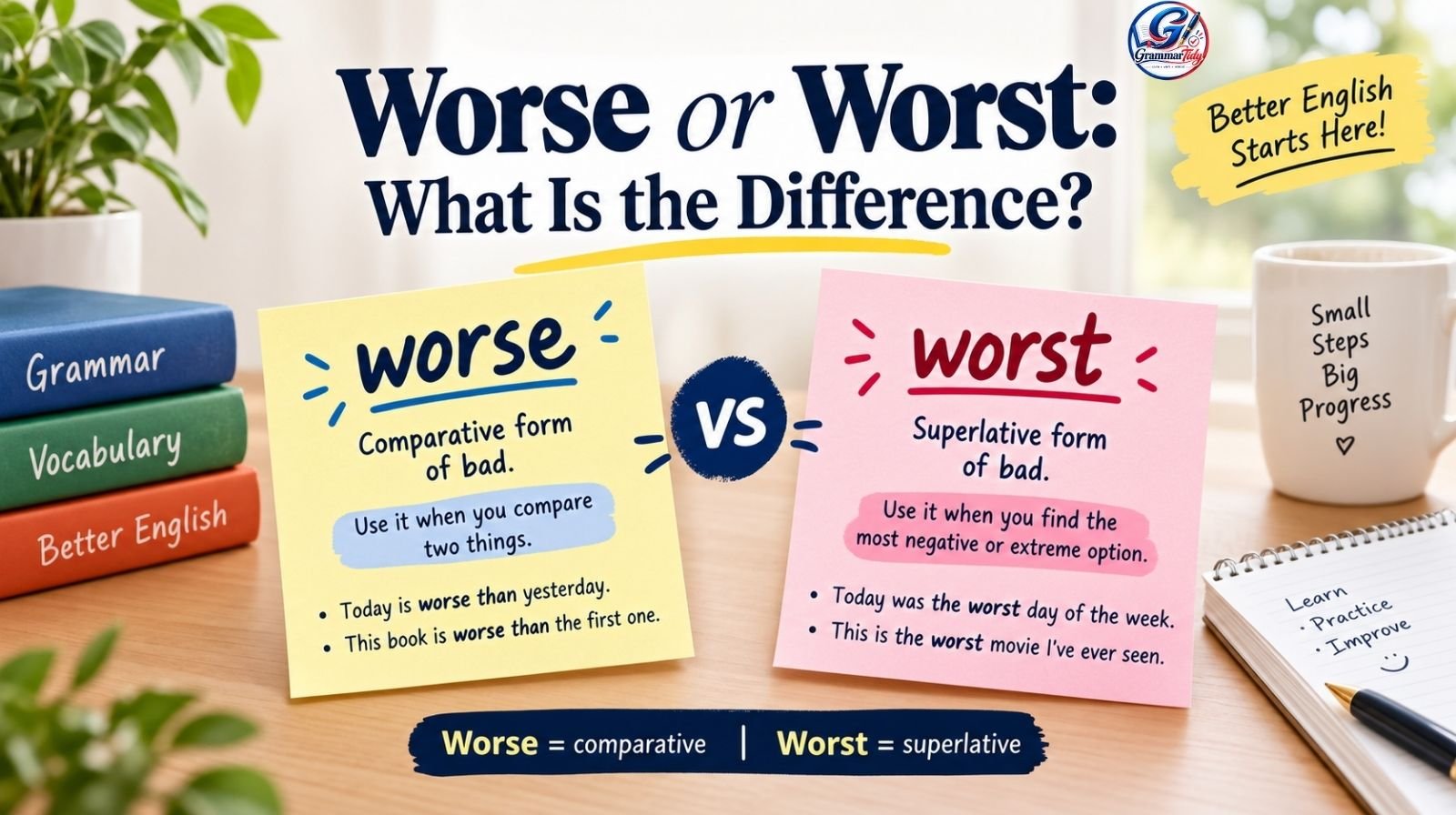
The easiest rule is simple: worse is the comparative form of bad, while worst is the superlative form. In general, use worse when comparing one thing with another, and use worst when identifying the most negative or extreme option.
Cambridge Dictionary gives the same basic distinction, describing worse as the comparative of bad and worst as its superlative.
For example:
- Today is worse than yesterday.
- Today was the worst day of the week.
Once you understand that difference, choosing between worse and worst becomes much easier.
See Also: Transferred vs Transfered: Which Is Correct?
Worse or Worst: The Quick Answer
If you only remember one rule from this article, remember this:
Worse = comparative. Worst = superlative.
Worse is normally used when you compare two things, two situations, or one situation with an earlier version of itself.
Worst identifies the lowest, most unpleasant, or most severe level in a group or situation.
A Simple Example
Imagine three movies:
- Movie A is bad.
- Movie B is worse than Movie A.
- Movie C is the worst of the three.
The pattern is:
bad → worse → worst
Cambridge’s grammar guidance also identifies worse and worst as the comparative and superlative forms associated with badly, while its dictionary identifies them as the comparative and superlative forms of bad.
What Does “Worse” Mean?
Worse means more unpleasant, more difficult, more serious, or lower in quality than something else.
It is the comparative form of “bad.”
When to Use Worse
Use worse when you are making a comparison.
For example:
- This weather is worse than yesterday’s.
- My second attempt was worse than my first.
- The traffic is getting worse.
- The new version is worse than the old one.
- His performance became worse after the break.
Notice how worse often appears with than when the second part of the comparison is stated.
Cambridge specifically notes that when the thing being compared is named, the normal structure is worse than.
Worse Can Describe a Change
You don’t always have to mention a second thing.
For example:
The weather is getting worse.
Here, the comparison is understood. The weather is becoming less pleasant than it was before.
Other examples include:
- My cold is getting worse.
- The situation became worse overnight.
- Traffic gets worse during rush hour.
- The problem seems worse today.
So don’t assume that worse must always be followed by than. The comparison can be understood from the context.
Also Read: Naive vs Nieve: Which Spelling Is Correct And How To Use It?
Common Expressions With Worse
Several everyday expressions use worse naturally.
Much worse
The second test was much worse than the first.
Even worse
I missed the bus, and even worse, I forgot my wallet.
Get worse
The weather could get worse tonight.
Make matters worse
I was already late, and the traffic made matters worse.
Worse than
The result was worse than we expected.
These patterns are useful because they show how worse functions naturally in everyday English. Cambridge also highlights expressions such as even worse, much worse, get worse, and make matters worse.
What Does “Worst” Mean?
Worst means the most unpleasant, most difficult, lowest-quality, or most severe.
It is the superlative form of “bad.”
When to Use Worst
Use worst when you identify the extreme end of a comparison.
For example:
This is the worst restaurant I’ve ever visited.
You’re not simply comparing two restaurants. You’re saying this restaurant is at the lowest point among all the restaurants you’ve experienced.
More examples:
- That was the worst mistake I made.
- This is the worst weather we’ve had this month.
- She received the worst score in the class.
- It was the worst part of the journey.
- Monday was the worst day of the week.
Cambridge defines worst as the superlative of bad, meaning the lowest quality or the most unpleasant, difficult, or severe option.
Also Read: Excited vs Exited: Learn The Difference And Usage
Worst Often Appears With “The”
A very useful clue is the.
You’ll frequently see:
- the worst
- the worst mistake
- the worst experience
- the worst decision
- the worst result
For example:
This was the worst decision I could have made.
However, don’t turn this into an absolute rule that worst can never appear without the. It can occur in other structures:
Worst of all, we had no way home.
She performed worst in the final round.
So the worst is extremely common, but context still matters.
Common Expressions With Worst
You will often encounter worst in fixed expressions such as:
At worst
At worst, we’ll arrive ten minutes late.
Worst of all
We lost the tickets and, worst of all, our phones were dead.
The worst-case scenario
We need to prepare for the worst-case scenario.
Fear the worst
When he didn’t answer, I feared the worst.
At your worst
Everyone has difficult days when they are not at their best.
These expressions are worth learning as complete phrases because you’ll encounter them frequently in everyday and professional English.
Worse vs. Worst: The Main Difference
The easiest way to understand worse or worst is to look at the degrees of comparison.
Bad → Worse → Worst
Think of these three forms as steps:
| Form | Grammar | Basic meaning | Example |
|---|---|---|---|
| Bad | Positive | Negative quality | The weather is bad. |
| Worse | Comparative | More negative than another | Today is worse than yesterday. |
| Worst | Superlative | Most negative in a group | Today was the worst day this week. |
The important distinction is not simply the number of things being discussed. Worse expresses a comparison, while worst expresses the highest degree of something negative.
For example:
This laptop is worse than mine.
You’re comparing two laptops.
But:
This is the worst laptop in the store.
You’re identifying the lowest-quality option among a larger group.
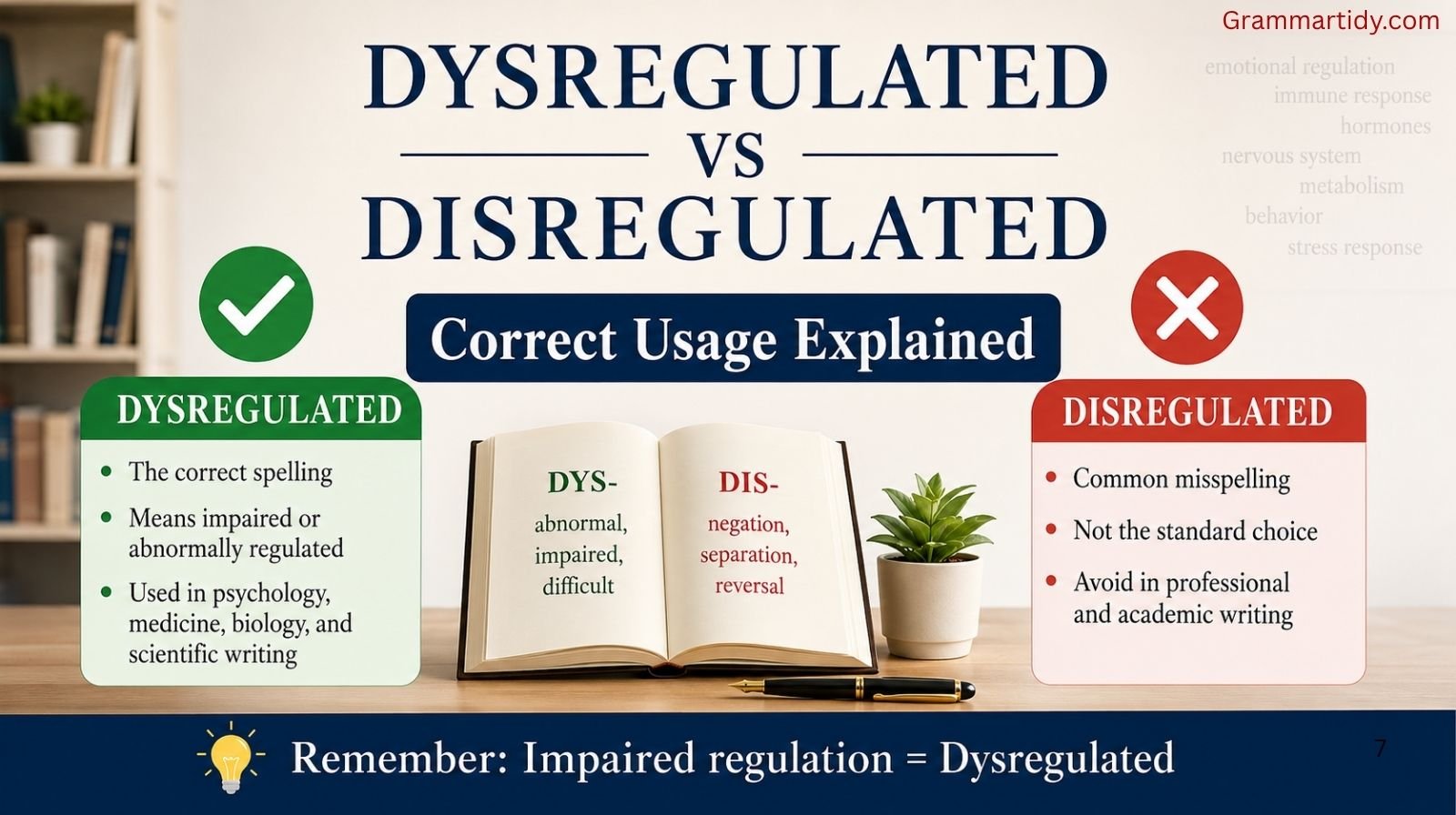
Also Read: Dysregulated vs Disregulated: Correct Usage Explained
Worse or Worst? A Fast Decision Guide
Ask yourself:
Am I comparing something with another thing or an earlier condition?
→ Use worse.
Am I identifying the most negative or extreme option?
→ Use worst.
For example:
- Today is worse than yesterday.
- Today is the worst day this week.
That simple contrast covers a huge number of everyday situations.
Common Mistakes With Worse and Worst
The confusion between these words often happens because they look and sound so similar. However, their grammatical jobs are different.
“This Is the Worse” vs. “This Is the Worst”
Incorrect:
This is the worse movie I’ve ever seen.
Correct:
This is the worst movie I’ve ever seen.
Why?
Because you’re identifying the movie as the most negative example among all the movies you’ve seen.
“It Got Worst” vs. “It Got Worse”
Incorrect:
The weather got worst.
Correct:
The weather got worse.
Here, the weather is changing from a bad condition to a more serious condition.
You’re describing deterioration, so worse is correct.
“Much Worst” vs. “Much Worse”
Incorrect:
The second result was much worst.
Correct:
The second result was much worse.
Much commonly intensifies a comparative:
- much better
- much worse
- much easier
- much harder
So:
This situation is much worse than I expected.
For the superlative, you can use expressions such as:
This is by far the worst option.
“Worse Case” vs. “Worst-Case”
One particularly common mistake is writing:
worse-case scenario
The standard expression is:
worst-case scenario
Why? A worst-case scenario refers to the most negative or extreme possible outcome.
For example:
We should prepare for the worst-case scenario.
This pattern is widely used in planning, risk management, business, technology, and everyday conversation.
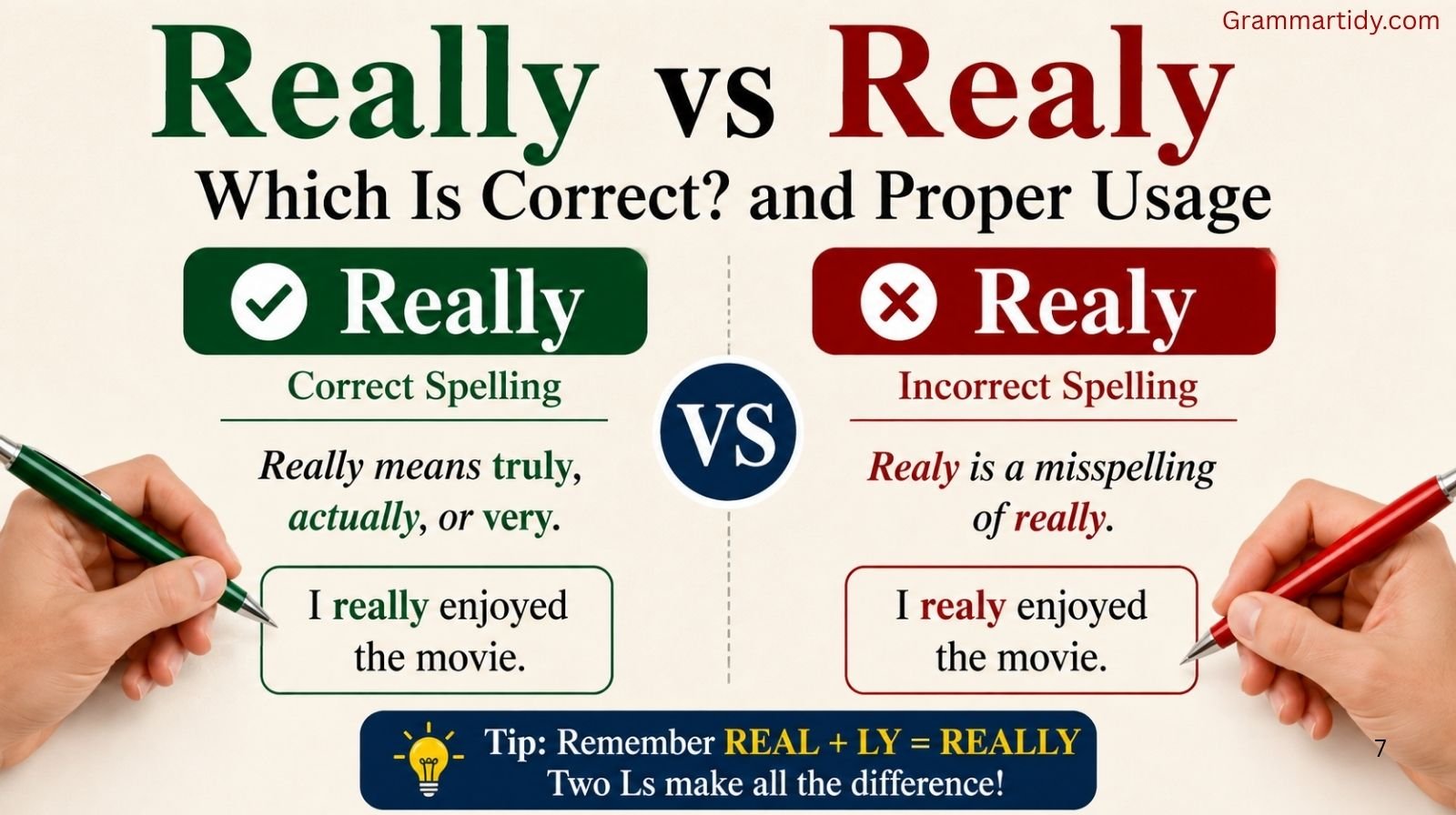
Also Read: Really vs Realy: Which Is Correct? And Proper Usage
A Real-Life Example: Choosing Between Three Options
Imagine you’re helping a friend choose between three internet connections.
The first connection is unreliable. It drops occasionally, but you can usually reconnect quickly.
The second connection is more troublesome. It drops several times a day and is noticeably slower.
The third connection is extremely unreliable. It frequently stops working and has the slowest performance of all three.
You could describe the situation like this:
Connection B is worse than Connection A.
That’s a comparison between two options.
Then you could say:
Connection C is the worst of the three.
That’s a superlative because you’re identifying the lowest-performing option.
Now imagine that Connection B becomes even less reliable over time. You could say:
The connection is getting worse.
You wouldn’t normally say:
The connection is getting worst.
That’s because you’re describing a change toward a more negative condition, not identifying something as the absolute lowest option.
This example shows why context matters more than simply counting nouns. The key question is: Are you making a comparison or identifying an extreme?
Worse or Worst in Everyday English
These words appear in many situations, from casual conversations to academic writing and professional communication.
Talking About Experiences
My first flight was bad, but the second one was worse.
That was the worst flight I’ve ever taken.
The first sentence compares two flights. The second identifies one experience as the most negative.
Talking About Performance
He performed worse than he did last week.
She gave the worst presentation in the group.
Again, worse makes a comparison, while worst identifies the lowest performance.
Also Read: Submission vs Submittion: Learn The Difference
Talking About Situations
The traffic is worse today.
Friday had the worst traffic of the entire week.
Both are correct. The difference comes from what you’re expressing.
Talking About Quality
This version is worse than the previous one.
This is the worst version we’ve tested.
The pattern remains the same.
Worse vs. Worst: A Practical Comparison Table
| Situation | Correct word | Example |
|---|---|---|
| Compare two things | Worse | This phone is worse than mine. |
| Compare now with before | Worse | The weather is getting worse. |
| Show increased difficulty | Worse | The problem became worse. |
| Identify the lowest option | Worst | This is the worst option. |
| Identify the most negative experience | Worst | It was the worst experience. |
| Talk about an extreme possibility | Worst | Prepare for the worst-case scenario. |
| Use “than” in a comparison | Worse | This is worse than that. |
| Use a superlative expression | Worst | She was the worst performer. |
2025–2026 Usage and Learning Data
There isn’t a reliable public statistic showing exactly how many people confuse worse and worst in 2025 or 2026. Search-interest tools and grammar websites don’t provide a standardized worldwide error rate for this specific pair, so claiming a precise percentage would be misleading.
However, current language-learning resources continue to publish dedicated guidance on the distinction. LanguageTool published its worse-vs-worst guide in June 2025 and revised it in March 2026, specifically addressing the comparative-versus-superlative distinction.
The distinction also remains prominent in current English-learning content. A 2026 grammar guide published in March 2026 explains the same core rule: worse is comparative, while worst expresses the extreme degree.
This matters for learners because the issue isn’t a new grammar trend. The underlying forms are stable:
bad → worse → worst
The practical takeaway is more useful than an unsupported search-volume number: if you understand comparative vs. superlative, you can solve most worse or worst questions immediately.
Also Read: Shinning vs Shining: Correct Spelling And Usage
How to Remember Worse vs. Worst
If you regularly mix these words up, use a simple mental test.
The Two-Step Memory Trick
Think:
Worse = comparison
Worst = extreme
For example:
Tea is worse than coffee for me.
Two things are being compared.
Then:
That was the worst cup of tea I’ve ever had.
One experience is being identified as the extreme.
Remember the “Than” Clue
When you see or need than, worse is often the answer:
worse than
much worse than
even worse than
For example:
This result is worse than the previous one.
Remember the “The” Clue
When you’re identifying the extreme, the worst is extremely common:
the worst mistake
the worst result
the worst day
the worst option
This isn’t a perfect rule for every sentence, but it’s a useful shortcut when you’re writing quickly.
Worse and Worst as Adverbs
There’s another detail worth knowing: worse and worst aren’t limited to adjectives.
They can also work as adverbs.
For example:
He played worse than yesterday.
Here, worse describes how he played.
And:
Of everyone on the team, he played worst.
Here, worst identifies the lowest performance.
Cambridge’s grammar reference specifically gives worse and worst as the comparative and superlative forms of the adverb badly.
Compare the Two
She sings worse than her sister.
This compares two performances.
She sings worst of all.
This identifies her performance as the lowest in the group.
The same basic principle still applies.
Also Read: Comment vs Coment: Correct Spelling And Usage
Mini Quiz: Worse or Worst
1. Quick Pick: Worse or Worst?
Which word fits?
“This movie is ___ than the last one.”
Answer: Worse You’re comparing two movies.
2. The Ultimate Choice
Complete the sentence:
“That was the ___ day of my life.”
Answer: Worst It describes the most negative experience.
3. Spot the Right Word
Which is correct?
A. The weather is getting worst.
B. The weather is getting worse.
Answer: B. The weather is getting worse.
4. Two Things, One Winner
Complete this sentence:
“My second attempt was ___ than my first.”
Answer: Worse Worse is used for comparisons.
5. Find the Superlative
Which sentence is correct?
A. This is the worse option.
B. This is the worst option.
Answer: B. This is the worst option.
6. Can You Catch the Mistake?
Is this sentence correct?
“The situation became worst.”
Answer: No. The correct sentence is “The situation became worse.”
7. The “Than” Clue
Fill in the blank:
“Today feels ___ than yesterday.”
Answer: Worse Than signals a comparison.
8. Pick the Extreme
Complete the sentence:
“That was the ___ mistake I ever made.”
Answer: Worst It identifies the most serious mistake.
9. Easy Memory Test
Which means “more bad”?
A. Worse
B. Worst
Answer: A. Worse
10. Which One Sounds Right?
Choose the correct phrase:
A. Much worst
B. Much worse
Answer: B. Much worse
11. The Group Challenge
“Of all three choices, this is the ___.”
Which word fits?
Answer: Worst You’re identifying the lowest option in a group.
12. Everyday English Check
Complete the sentence:
“My headache is getting ___.”
Answer: Worse The condition is becoming more unpleasant or serious.
13. Worst-Case Question
Which phrase is correct?
A. Worse-case scenario
B. Worst-case scenario
Answer: B. Worst-case scenario
14. One Last Comparison
Complete the sentence:
“This phone is ___ than my old one.”
Answer: Worse Two phones are being compared.
15. Final Boss: Worse or Worst?
Complete both sentences:
“This test was ___ than the last one, but Friday’s test was the ___ of all.”
Answer: Worse, worst Worse compares two tests, while worst identifies the most difficult one.
FAQs
1. Is “worse or worst” the correct question?
Yes. “Worse or worst?” is a natural way to ask which word should be used in a particular sentence.
The answer depends on whether you’re making a comparison or expressing the most extreme degree.
2. Which is correct: “worse” or “worst”?
Both are correct words, but they are used differently.
Use worse for a comparative meaning:
This is worse than before.
Use worst for a superlative meaning:
This is the worst result.
3. Is it “worse than” or “worst than”?
The standard form is worse than.
For example:
This situation is worse than yesterday.
Worst than is not the normal comparative construction.
4. Is “worst” always used with “the”?
No. The worst is extremely common, but worst can appear in other structures.
For example:
At worst, we may need another day.
Worst of all, we missed the final train.
So don’t treat the as an absolute requirement.
5. Which is correct: “much worse” or “much worst”?
The standard phrase is much worse.
For example:
The weather is much worse today.
For a superlative, you might say:
This is by far the worst result.
6. Is “worst-case scenario” correct?
Yes. Worst-case scenario is the standard expression.
It refers to the most negative or extreme possible outcome.
7. What is the easiest way to remember worse and worst?
Remember:
Worse = more bad.
Worst = most bad.
Or even more simply:
Worse compares. Worst ranks.
Conclusion:
The difference between worse or worst becomes much easier once you understand the grammar behind the words.
Worse is the comparative form of bad. Use it when comparing one thing with another or describing something becoming more negative:
The weather is worse than yesterday.
Worst is the superlative form. Use it when identifying the most negative, difficult, unpleasant, or lowest-quality option:
This is the worst weather we’ve had all month.
So when you’re unsure, pause for a second and ask:
Am I comparing? → Worse.
Am I identifying the extreme? → Worst.
Keep the pattern bad → worse → worst in mind, and you’ll avoid one of the most common English word-choice mistakes.
Discover More Article
- Eaten or Aten? The Correct Spelling Explained Simply
- Caraway vs GreenPan: A Complete Cookware Comparison Guide
- Where to Watch Deal or No Deal Island: Streaming Guide
- Yuwen Win or Lose: Does Yuwen Win or Lose?
Keep learning with more easy grammar lessons on GrammarTidy.com

Hi, I’m Noor Fatima, the author and creator of Grammar Tidy. I’m passionate about grammar, writing, and making language learning simple and enjoyable. Through Grammar Tidy, I share helpful tips, clear explanations, and practical guidance to help readers improve their writing, avoid common mistakes, and communicate with confidence. My goal is to make better grammar easy, useful, and accessible for everyone.