Have you ever wondered whether the correct spelling is discard or disgard? You’re not alone. The second version can look surprisingly believable, especially because English has words such as guard and disregard.
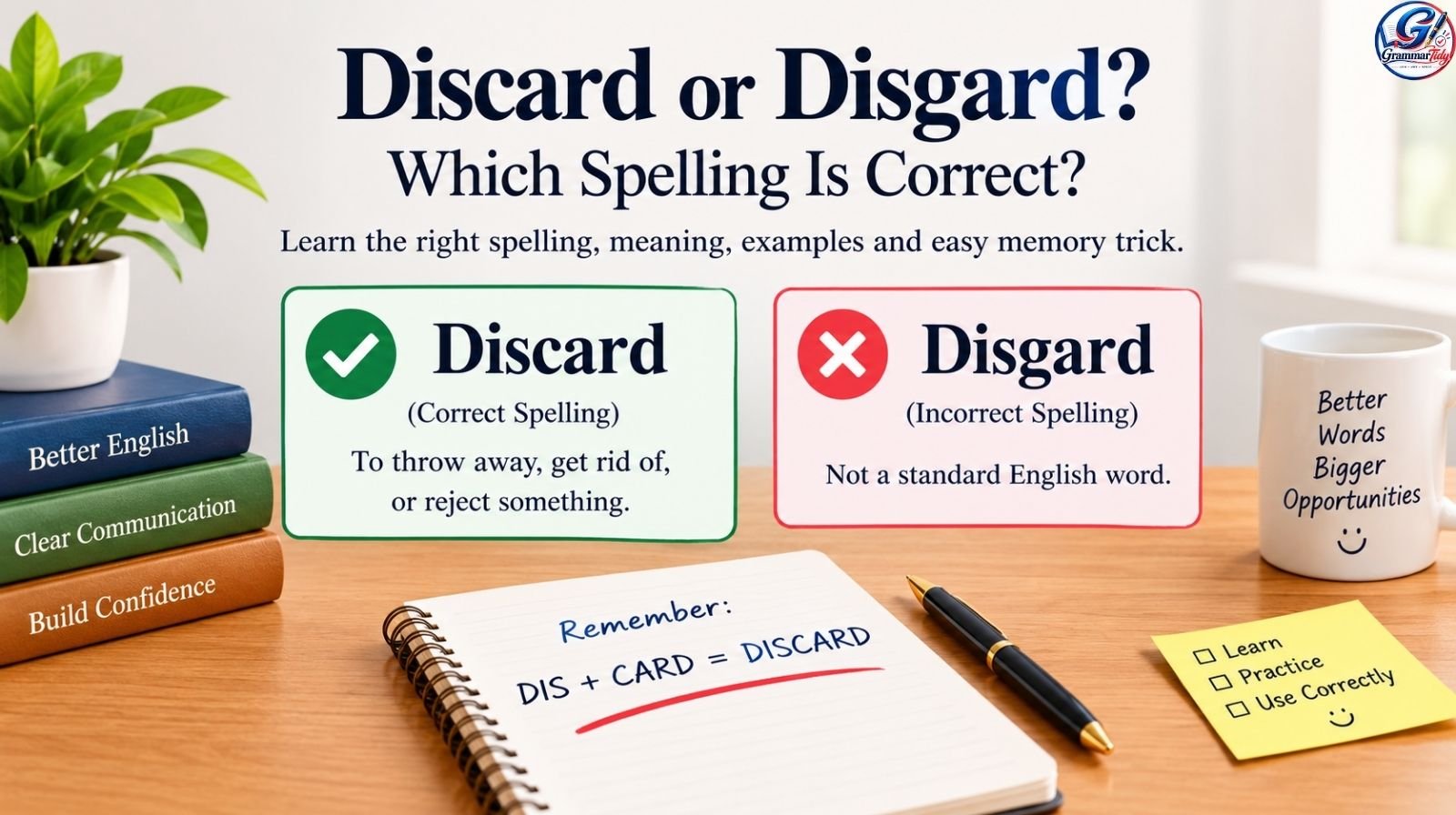
The correct spelling is discard. Disgard is a misspelling and is not the standard English form.
The word discard means to throw something away, get rid of something, or reject something that is no longer wanted or useful. Cambridge Dictionary defines discard as getting rid of something because you no longer want or need it.
In this guide, you’ll learn the difference between discard and disgard, understand the meaning and usage of discard, see real examples, and discover an easy trick for remembering the correct spelling.
Discard or Disgard: Which Spelling Is Correct?
The correct spelling is discard, with a c.
Disgard is an incorrect spelling of discard. It is not a standard English word.
Discard Is the Correct Word
Discard can function as both a verb and a noun.
As a verb, it means to throw away, remove, reject, or get rid of something.
For example:
- Please discard the empty bottle.
- You should discard the damaged documents.
- We decided to discard the old plan.
- The editor discarded several unnecessary paragraphs.
As a noun, discard can refer to something that has been thrown away or, particularly in card games, a card that has been played and removed from a player’s hand.
Disgard Is a Misspelling
Disgard is not the spelling you should use in standard English writing.
For example:
❌ Please disgard the old files.
✅ Please discard the old files.
The same correction applies to related forms:
- ❌ disgarded → ✅ discarded
- ❌ disgarding → ✅ discarding
- ❌ disgards → ✅ discards
Therefore, whenever you mean “throw away” or “get rid of,” use discard.
Quick Answer
| Word | Status | Meaning |
|---|---|---|
| Discard | ✅ Correct | To throw away, reject, or get rid of |
| Disgard | ❌ Incorrect | Misspelling of discard |
What Does Discard Mean?
The verb discard generally means to get rid of something because it is unwanted, unnecessary, useless, or no longer needed.
Cambridge Dictionary lists discard as a verb meaning to throw something away or get rid of it. It also uses the word in the context of card games.
Discard Meaning in Simple English
A simple way to understand discard is:
Discard = throw away or get rid of something you don’t want.
For example:
- Discard the wrapper.
- Discard the broken cup.
- Discard outdated information.
- Discard the unnecessary files.
The word can describe physical objects as well as ideas, plans, information, or options.
Discard in Everyday English
You might use discard when talking about household objects:
Please discard the empty container.
You can also use it when talking about information:
The researcher discarded the unreliable results.
Or when discussing a plan:
The team discarded the original proposal and developed a new one.
In each case, the basic idea is the same: something is being removed because it is no longer wanted, useful, or suitable.
Discard in Card Games
The word also has a specific use in card games.
For example:
The player decided to discard two cards.
Here, discard means to remove or play a card from your hand according to the rules of the game. Cambridge also records this card-game sense.
Also Read: Excited vs Exited: Learn The Difference And Usage
Why Do People Confuse Discard and Disgard?
The spelling confusion is understandable because discard can sound different from how it looks to an inexperienced English learner.
The mistake may also be influenced by familiar words such as guard and disregard.
The Sound Can Cause Confusion
When people hear a word rather than see it written, they sometimes choose a spelling based on the sound.
That can lead to:
discard → disgard
However, pronunciation should not be used as the spelling rule here. The standard written form is discard.
Usage guidance has specifically noted that discard is sometimes incorrectly written as disgard, potentially because of pronunciation and the influence of disregard.
Disregard Creates Another Trap
The word disregard means to ignore or pay no attention to something.
Because disregard contains gard, someone may unconsciously transfer that spelling pattern to discard.
Compare:
- discard → throw away
- disregard → ignore or pay no attention to
They are different words and should not be blended together.
The Best Way to Avoid the Mistake
Don’t try to remember discard as dis + gard.
Instead, break it into:
dis + card = discard
That small spelling connection makes the correct c much easier to remember.
How to Use Discard Correctly in a Sentence
Knowing the definition is useful, but seeing the word in realistic sentences makes the spelling easier to remember.
Discard in Everyday Writing
Here are several natural examples:
- Please discard the empty package.
- You can discard these old receipts.
- We should discard the broken equipment.
- She discarded the damaged notebook.
- They discarded the unnecessary documents.
In each sentence, discard means to get rid of something.
Discard in Business and Professional Writing
The word is also common in professional communication.
For example:
The company decided to discard the outdated procedure.
Or:
Please review the report and discard any duplicate entries.
Here, discard sounds more formal and precise than simply saying “throw away.”
Discard in Technology
You may also see discard in technology-related writing.
For example:
The application automatically discards duplicate records.
Another example:
Temporary data can be discarded after processing is complete.
The meaning remains consistent: information or data is being removed because it is no longer required.
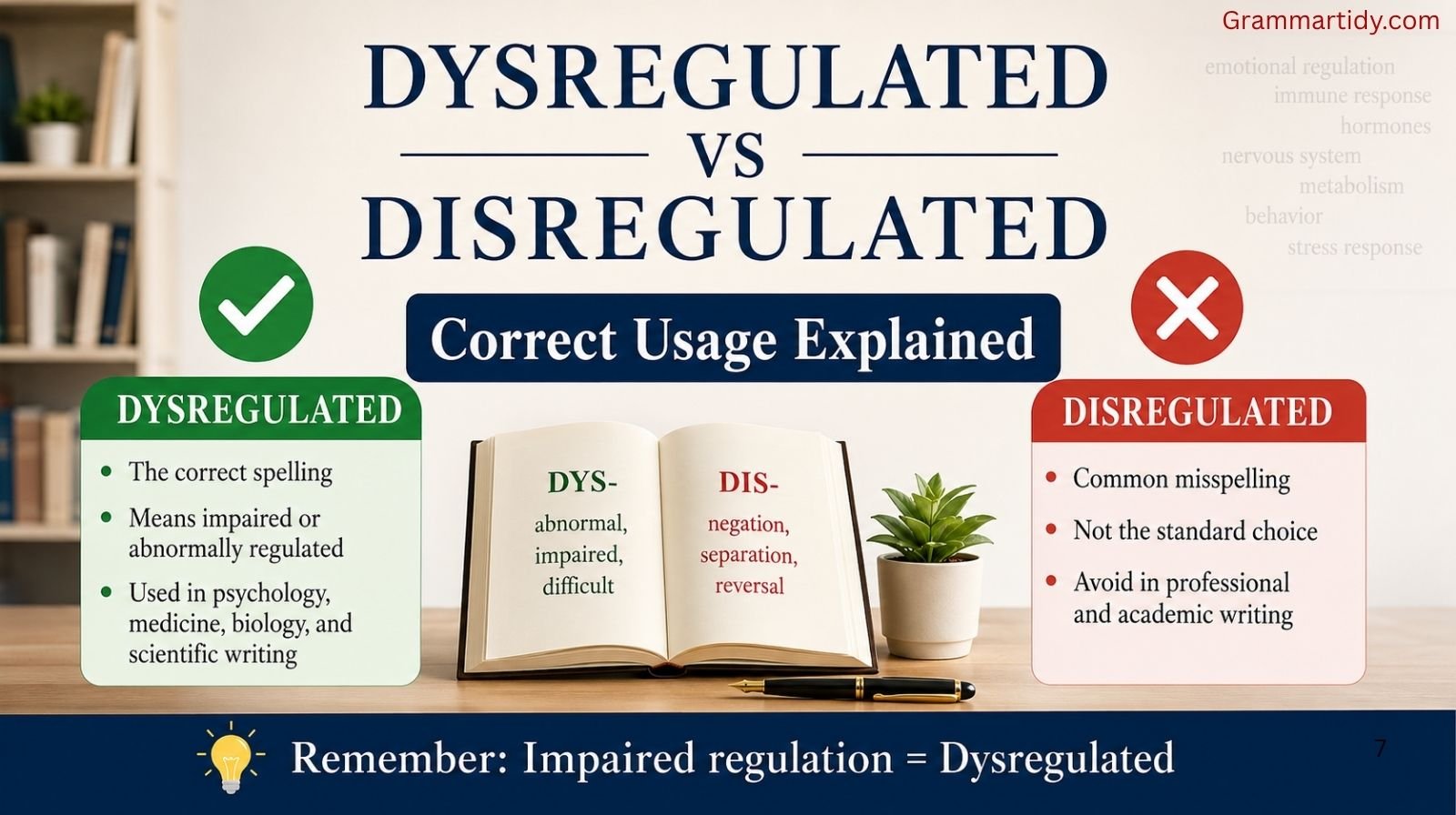
Also Read: Dysregulated vs Disregulated: Correct Usage Explained
Discard vs Disgard: A Real-Life Writing Case Study
Imagine that an employee is preparing an important business email about document management.
The employee writes:
“Please disgard all outdated versions of the report.”
At first glance, the sentence may look understandable. The reader can probably determine what the writer means. However, disgard is still a spelling error.
The corrected sentence is:
“Please discard all outdated versions of the report.”
Why This Small Error Matters
In casual messaging, a single spelling mistake may not cause serious confusion. However, errors can become more noticeable in professional communication.
Imagine the same word appearing in a company policy:
“Employees must disgard confidential documents after use.”
Because this sentence could appear in official documentation, the spelling error makes the document look less polished.
A better version is:
“Employees must discard confidential documents after use.”
What We Can Learn From the Example
This case shows why checking spelling matters even when the intended meaning is obvious.
The problem isn’t that readers cannot understand disgard. The problem is that disgard is not the standard spelling.
A quick proofreading check would change:
disgard → discard
That one-letter correction makes the sentence standard and professional.
Therefore, if you’re writing emails, reports, academic assignments, website content, or business documents, always use discard.
Discard or Disgard: 2025–2026 Usage and Dictionary Evidence
A useful way to evaluate a spelling question is to separate dictionary evidence from unsupported internet frequency claims.
What Current Dictionary Evidence Shows
As of 2026, established dictionary resources continue to recognize discard as the standard English word.
Cambridge Dictionary provides definitions, pronunciation information, grammatical information, and corpus examples for discard.
Merriam-Webster’s dictionary material likewise records discard, including its meaning of getting rid of something unwanted and its card-game use.
By contrast, disgard is treated as a misspelling rather than a standard dictionary word. Current usage references discussing the pair identify disgard as an incorrect form of discard.
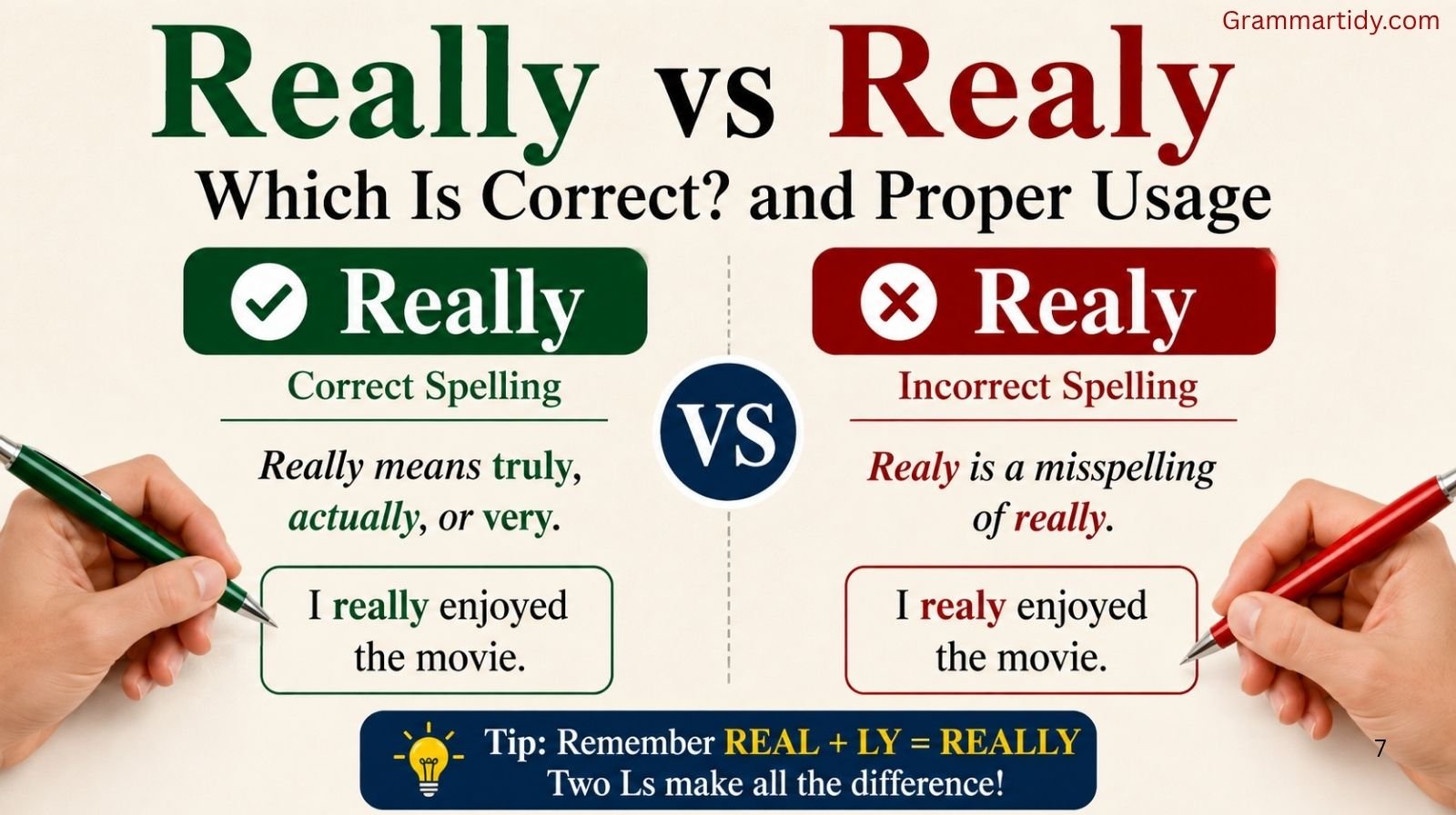
Also Read: Really vs Realy: Which Is Correct? And Proper Usage
Why There Isn’t a Reliable “2026 Search Volume” Number Here
Search engines do not publish a universal, authoritative annual number showing exactly how many people misspell discard as disgard worldwide.
Therefore, it would be misleading to invent a 2025–2026 percentage or claim that a particular percentage of English speakers use disgard.
The stronger evidence is the consistent dictionary treatment:
- Discard is an established English word.
- Disgard is treated as a misspelling.
- Major dictionaries provide definitions and examples for discard.
- The spelling discard remains the appropriate form for standard English writing.
Google’s current guidance also emphasizes useful, reliable, people-first content and warns against presenting unsupported or misleading information simply to attract search traffic.
A Simple Trick to Remember Discard
The easiest memory trick is surprisingly simple:
Think of the Word “Card”
Look at the spelling:
DIS + CARD = DISCARD
The word card is literally inside discard.
So remember:
You can discard a card.
This is especially useful because discard historically has a connection with card games. Merriam-Webster’s dictionary material dates the verb to around the late 16th century and records its card-related meaning.
Also Read: Courtesy vs Curtesy: Meaning, Usage And Common Mistakes
Never Think “Dis + Gard”
If you remember the word as:
❌ dis + gard
you’re more likely to write disgard.
Instead, remember:
✅ dis + card
That gives you the correct spelling automatically.
Correct Forms to Remember
| Form | Correct? | Example |
|---|---|---|
| discard | ✅ | Please discard the paper. |
| discards | ✅ | He discards unnecessary files. |
| discarded | ✅ | She discarded the old notes. |
| discarding | ✅ | They are discarding damaged items. |
| disgard | ❌ | Incorrect spelling |
| disgarded | ❌ | Incorrect spelling |
| disgarding | ❌ | Incorrect spelling |
Mini Quiz: Discard or Disgard
1. Quick Pick: Discard or Disgard?
Which spelling is correct?
A) Disgard
B) Discard
Answer: B) Discard
2. What Does “Discard” Mean?
What does discard usually mean?
A) To keep something
B) To throw away or get rid of something
C) To repair something
D) To buy something
Answer: B) To throw away or get rid of something
3. Spot the Spelling Mistake
Which sentence is written correctly?
A) Please disgard the old files.
B) Please discard the old files.
Answer: B) Please discard the old files.
4. Fill in the Blank
“Please ______ the empty bottle.”
A) disgard
B) discard
Answer: B) discard
5. Remember the “Card” Trick
Which word can help you remember the spelling of discard?
A) Guard
B) Card
C) Garden
D) Grade
Answer: B) Card
6. Is “Disgard” a Standard Word?
True or False: Disgard is the standard spelling of the word meaning “throw away.”
Answer: False
7. Choose the Correct Past Tense
Which sentence is correct?
A) She disgarded the old notes.
B) She discarded the old notes.
Answer: B) She discarded the old notes.
8. One-Letter Challenge
What letter belongs in dis_ard?
A) G
B) C
C) K
D) T
Answer: B) C
9. Business Writing Check
Which sounds correct in a professional email?
A) Please disgard the outdated report.
B) Please discard the outdated report.
Answer: B) Please discard the outdated report.
10. What Does “Discarded” Mean?
If someone discarded an old document, what did they do?
A) They saved it
B) They printed it
C) They got rid of it
D) They copied it
Answer: C) They got rid of it
11. Pick the Correct -ing Form
Which spelling is correct?
A) Disgarding
B) Discarding
Answer: B) Discarding
12. Discard vs. Disregard
Which word means to ignore or pay no attention to something?
A) Discard
B) Disregard
Answer: B) Disregard
13. Complete the Sentence
“The player decided to ______ two cards.”
A) disgard
B) discard
Answer: B) discard
14. Final Spelling Test
Which one is the correct word?
A) Discard
B) Disgard
C) Discgard
D) Discaard
Answer: A) Discard
15. The Memory Challenge
What is the easiest spelling trick for remembering discard?
A) Think “dis + guard”
B) Think “dis + card”
C) Think “dis + garden”
D) Think “dis + grade”
Answer: B) Think “dis + card”
FAQs
1. Is “discard” or “disgard” correct?
Discard is correct. Disgard is a misspelling.
2. Is disgard a real English word?
No. Disgard is not the standard English spelling. If you mean “throw away,” “remove,” or “get rid of,” use discard.
3. What does discard mean?
Discard means to throw away, reject, remove, or get rid of something that is no longer wanted, needed, or useful.
4. Why do people spell discard as disgard?
The error can arise from pronunciation and from confusion with words such as disregard and guard. Usage references have specifically identified disgard as a recurring misspelling of discard.
5. Is “disgarded” correct?
No. The correct past-tense and past-participle form is discarded.
For example:
❌ She disgarded the old report.
✅ She discarded the old report.
6. Is “discarding” correct?
Yes. Discarding is the correct -ing form.
For example:
They are discarding unnecessary files.
7. What is an easy way to remember discard?
Think:
DIS + CARD = DISCARD
The word card appears inside discard, which helps you remember the c.
Conclusion:
When choosing between discard or disgard, the correct spelling is discard.
Discard is a standard English word meaning to throw away, reject, remove, or get rid of something. Disgard, on the other hand, is a misspelling and should not be used in standard English writing.
The easiest memory trick is:
DIS + CARD = DISCARD
Think of a card being thrown away in a card game, and you’ll have a simple reminder that the word contains card, not gard.
So whenever you’re writing an email, article, assignment, report, or professional document, choose discard.
Remember: discard is correct; disgard is not.
For more clear explanations of commonly confused spellings and everyday English usage, keep exploring practical word guides and use the correct spelling with confidence.
Discover More Article
- Plandid or Candid: Which Is Correct? Meaning, Examples & Usage Guide (2026)
- Humorous vs Humerous: Which Spelling Is Correct? 2026 Guide
- Lieing or Lying: Correct Spelling Guide 2026
- Continuous vs Continous: What’s The Difference? 2026
Keep learning with more easy grammar lessons on GrammarTidy.com

Hi, I’m Noor Fatima, the author and creator of Grammar Tidy. I’m passionate about grammar, writing, and making language learning simple and enjoyable. Through Grammar Tidy, I share helpful tips, clear explanations, and practical guidance to help readers improve their writing, avoid common mistakes, and communicate with confidence. My goal is to make better grammar easy, useful, and accessible for everyone.