Understanding the difference between capital and capitol can be confusing, especially when discussing money, business, government, and financial matters. These two words look and sound almost identical, but they have different meanings and are used in different situations.
If you have ever wondered whether to write capital money or capitol money in a sentence, business report, financial document, or email, you are not alone. Many English learners and even native speakers occasionally mix them up.
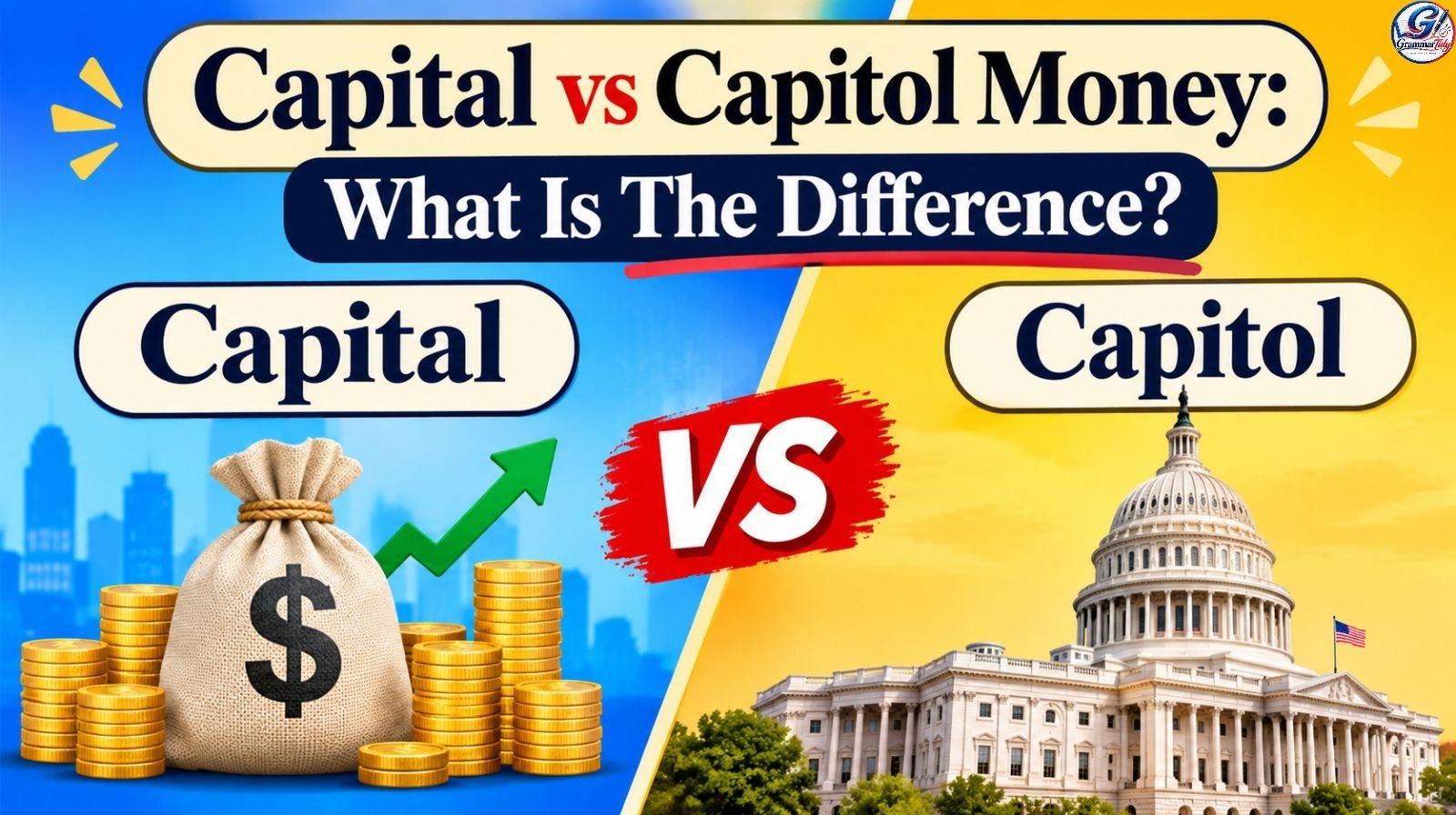
The good news is that the distinction is simple once you understand what each word represents. Capital is the correct word when referring to money, wealth, business funds, or financial resources. Capitol, on the other hand, refers to a building where a legislative government meets, particularly in the United States.
For example:
- Correct: The company needs more capital to expand its operations.
- Incorrect: The company needs more capitol to expand its operations.
- Correct: The state legislature meets at the capitol.
- Incorrect: The state legislature meets at the capital.
Although the words are closely related historically, their modern meanings are quite different.
In this guide, we will explore the meanings of capital and capitol, explain why capital is used when discussing money, examine common mistakes, and provide practical examples from business, education, government, and everyday communication.
Also Read: Less vs Fewer Grammar
Capital vs Capitol: Quick Answer
The main difference between capital and capitol is their meaning and usage.
Capital is a noun that commonly refers to money, financial resources, wealth, or funds used to start and operate a business. It can also describe a city that serves as the official center of government.
Capitol is a noun that refers specifically to a building where a legislative body meets. In the United States, it is commonly used for buildings housing state legislatures or Congress.
Here is a quick comparison:
| Word | Meaning | Example |
|---|---|---|
| Capital | Money or financial resources | The business needs additional capital. |
| Capital | A country’s or state’s administrative center | Islamabad is the capital of Pakistan. |
| Capitol | A legislative government building | The senator entered the Capitol. |
The easiest way to remember the difference is:
- Capital = Cash, money, wealth, or a major city.
- Capitol = A government building.
If your sentence discusses investments, business funding, savings, or financial resources, capital is almost always the correct choice.
What Does Capital Mean?
Capital is a versatile English word with several meanings. It is most commonly used in finance, business, economics, geography, and general communication.
When discussing money, capital refers to financial resources that individuals, businesses, or organizations use to generate income, purchase assets, invest in opportunities, or support their operations.
In simple terms, capital is money or other valuable resources available for economic activity.
For example:
- Sarah invested $15,000 in capital to open her clothing store.
- The company needs additional capital to purchase new equipment.
- The entrepreneur raised enough capital to launch a new product.
- Our business has limited capital for expansion.
In each example, capital refers to money or financial resources rather than a physical government building.
Capital in Business and Finance
In business, capital plays an essential role in starting, managing, and expanding an organization.
A company needs financial resources to purchase equipment, pay employees, rent office space, buy inventory, advertise products, and cover other operating expenses.
These resources are commonly described as business capital.
For example, imagine that Daniel wants to open a small coffee shop. He needs money for furniture, coffee machines, ingredients, rent, and employee salaries.
He invests $20,000 of his savings and receives another $10,000 from a business partner.
Together, these funds provide the initial capital needed to establish the business.
A suitable sentence would be:
Daniel used his personal capital to establish a successful coffee shop in the city center.
Here, capital correctly describes the money invested in the business.
Capital as an Investment
Capital is also used when discussing investments.
Individuals and organizations invest capital in different opportunities to earn returns, increase wealth, or achieve long-term financial goals.
For example:
- The investor allocated additional capital to technology companies.
- The company used its capital to purchase commercial property.
- Maria invested her capital in a small manufacturing business.
- The organization needs more capital to develop innovative products.
In these examples, capital represents money or financial resources committed to an investment.
Capital as a City’s Administrative Center
Capital has another important meaning that is unrelated to money.
It can refer to a city that serves as the official administrative or governmental center of a country, state, or region.
For example:
- Islamabad is the capital of Pakistan.
- London is the capital of the United Kingdom.
- Tokyo is the capital of Japan.
- Washington, D.C., is the capital of the United States.
Notice that capital still has only one L in its ending and does not become capitol simply because the sentence discusses government.
For example:
Correct: Washington, D.C., is the capital of the United States.
Incorrect: Washington, D.C., is the capitol of the United States.
The distinction is important: the city is the capital, while the legislative building is the Capitol.
Capital in Everyday English
The word capital also appears in everyday expressions.
Some common examples include:
- Capital investment: Money invested in a business or project.
- Capital expenditure: Money spent on long-term assets.
- Working capital: Funds available for everyday business operations.
- Capital gains: Profit earned from selling an asset for more than its purchase price.
- Human capital: The skills, knowledge, and experience people contribute to economic activity.
These expressions demonstrate how frequently capital appears in business and financial communication.
Also Read: Commit vs Comit
What Does Capitol Mean?
Capitol is a noun that refers to a building where lawmakers meet to discuss, debate, and create laws.
The word is particularly associated with the United States, where the national legislative building in Washington, D.C., is called the United States Capitol.
State legislatures also meet in buildings commonly known as state capitols.
Unlike capital, capitol does not mean money, investment funds, business wealth, or financial resources.
For example:
- The senator delivered a speech at the Capitol.
- Thousands of visitors toured the state capitol.
- The lawmakers gathered inside the Capitol to discuss new legislation.
- The historic capitol building attracts visitors every year.
Each example refers to a physical government building.
Capitol in American Government
In the United States, the word Capitol is strongly connected to the legislative branch of government.
The United States Capitol is located in Washington, D.C. It houses the U.S. Congress, which consists of the Senate and the House of Representatives.
The building is an important symbol of American democracy and legislative authority.
For example:
The president’s proposed legislation was discussed by lawmakers at the Capitol.
Here, Capitol is correct because the sentence refers to the building where members of Congress meet.
State Capitol Buildings
Individual U.S. states also have capitol buildings where state legislators conduct official business.
For instance, California’s legislature meets at the California State Capitol in Sacramento.
Similarly, Texas lawmakers meet at the Texas State Capitol in Austin.
Examples:
- The governor attended a meeting at the state capitol.
- Visitors gathered outside the Florida State Capitol.
- The legislature approved the proposal inside the capitol building.
In these examples, capitol identifies a government building rather than a city or financial resource.
Capitol in Historical and Political Writing
Capitol frequently appears in historical documents, political reporting, educational materials, and news articles.
Writers use the word when describing legislative sessions, government activities, political demonstrations, or important public events.
For example:
Thousands of people gathered near the Capitol to observe the historic legislative session.
Another example:
The journalist interviewed several lawmakers outside the state capitol.
Both sentences use capitol correctly because they refer to buildings associated with legislative activity.
Also Read: Symptomatology vs Symptomology
Capital vs Capitol Money: Why Is Capital Correct?
When discussing money, capital is the correct word, while capitol is incorrect.
The reason is that capital has an established financial meaning. It describes money, assets, and other resources that individuals or organizations use to support economic activities.
Capitol does not have this meaning. It refers to a legislative building.
Consider these examples:
| Sentence | Correct or Incorrect? | Explanation |
|---|---|---|
| The company needs more capital. | Correct | Capital refers to business funds. |
| We raised enough capital for the project. | Correct | Capital means financial resources. |
| The company needs more capitol. | Incorrect | Capitol refers to a government building. |
| She invested her capital in real estate. | Correct | Capital refers to invested money. |
| The investor provided additional capitol. | Incorrect | The financial meaning requires capital. |
Why Do People Confuse Capital and Capitol?
There are several reasons people confuse these words.
1. Similar pronunciation
Capital and capitol are pronounced almost identically in standard English. Their similar sounds make it difficult for some people to distinguish them when speaking.
2. Similar spelling
Both words begin with the letters C-A-P-I-T and have similar endings. The only spelling difference is the final vowel and consonant arrangement.
3. Connection with government
Both words can appear in discussions about government. Capital can refer to a country’s administrative city, while capitol refers to a legislative building.
For example:
- Islamabad is the capital of Pakistan.
- The United States Congress meets in the Capitol.
4. Limited understanding of financial terminology
Some English learners encounter capital in business articles without fully understanding its financial meaning. As a result, they may mistakenly write capitol when discussing investments or business funding.
The easiest solution is to understand the context before choosing the spelling.
Capital vs Capitol: Key Differences Explained
Although capital and capitol look similar, they have different meanings, grammatical uses, and contexts.
Let’s examine their most important differences.
1. Difference in Meaning
The primary difference is what each word represents.
Capital can refer to:
- Money and financial resources.
- Investments and business funding.
- Wealth and valuable assets.
- A country’s administrative center.
- Uppercase letters in writing.
Capitol refers to:
- A building where a legislative body meets.
- A national legislative building.
- A state legislative building.
For example:
Capital: The entrepreneur invested $50,000 in the new business.
Capitol: The senator attended a legislative meeting at the Capitol.
The first sentence discusses money, while the second describes a government building.
Also Read: Transferred vs Transfered
2. Difference in Spelling
The spelling difference is small but important.
- Capital: C-A-P-I-T-A-L
- Capitol: C-A-P-I-T-O-L
The word capital contains the letter A after T, whereas capitol contains the letter O.
This one-letter difference changes the meaning entirely.
A useful spelling reminder is:
Capital has an A for Assets.
When you are discussing money, assets, investments, or business resources, remember the A in capital.
3. Difference in Pronunciation
Capital and capitol are generally pronounced the same way in American English.
Their pronunciation is commonly represented as:
- Capital: /ˈkæpɪtəl/
- Capitol: /ˈkæpɪtəl/
Because they are homophones, listeners usually cannot identify which word someone intends simply by hearing it.
The surrounding sentence provides the meaning.
For example, if someone says:
“The company needs more capital.”
The business context makes the intended word clear.
However, when writing, you must select the correct spelling.
4. Difference in Grammatical Usage
Both words are nouns, but they perform different functions in sentences.
Capital can be used as a noun or adjective.
Examples:
- The company raised additional capital. (Noun)
- We need a capital investment. (Adjective)
- Islamabad is the national capital. (Noun)
- Please write your name in capital letters. (Adjective)
Capitol is primarily used as a noun.
Examples:
- The Capitol is open to visitors.
- The senator entered the capitol building.
- The historic Capitol attracts tourists.
Understanding their grammatical roles helps prevent spelling mistakes.
5. Difference in Context
The context determines which word you should use.
| Context | Correct word |
|---|---|
| Business funding | Capital |
| Investment money | Capital |
| Company finances | Capital |
| Financial assets | Capital |
| National administrative city | Capital |
| Uppercase letters | Capital |
| Legislative building | Capitol |
| State legislature building | Capitol |
| United States Congress building | Capitol |
For example, a business owner discussing a loan should write:
We need additional capital to support our expansion plans.
A journalist discussing lawmakers should write:
The legislators gathered at the Capitol to discuss the proposal.
The distinction becomes much easier when you identify the subject of the sentence.
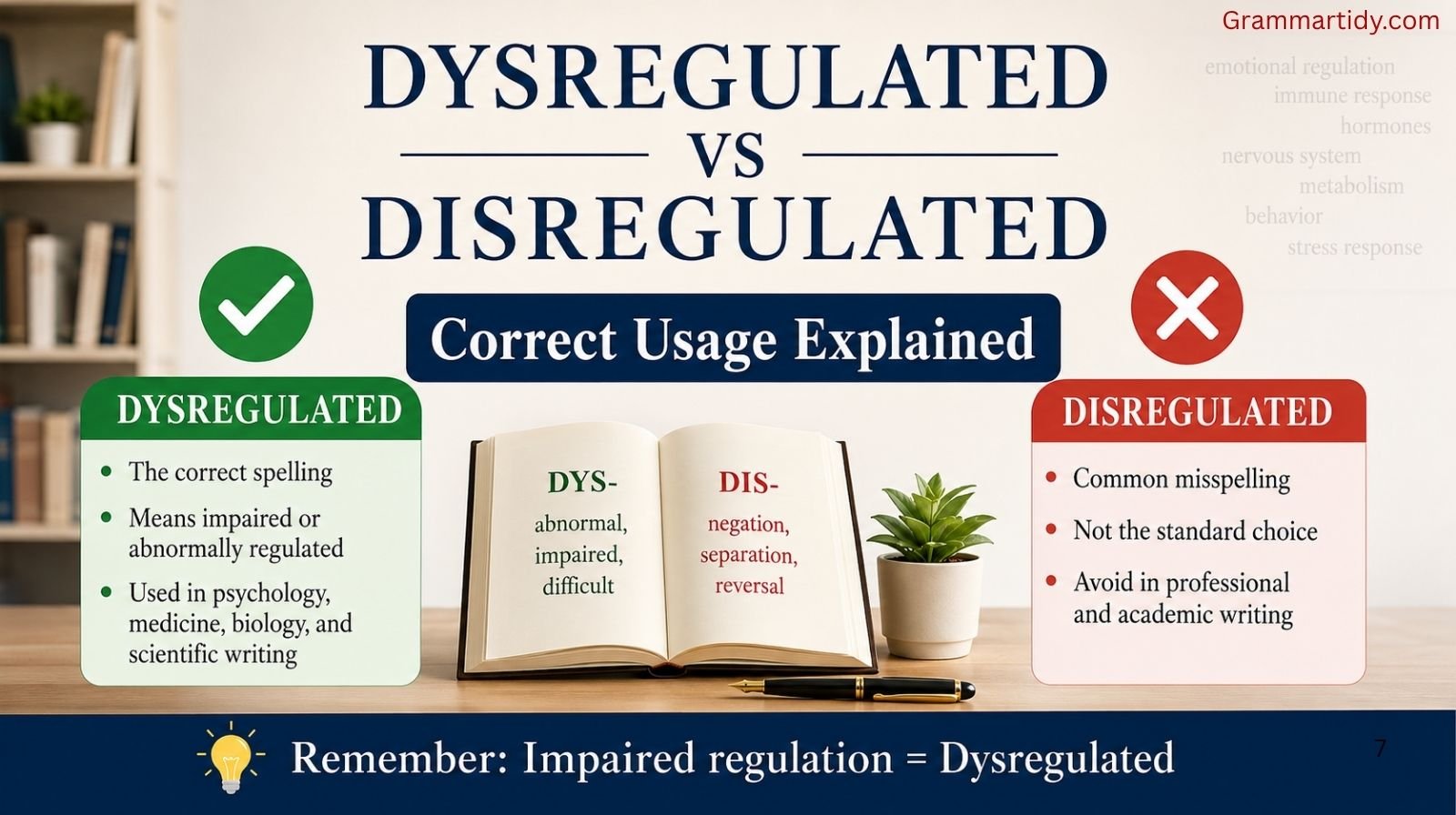
Also Read: Dysregulated vs Disregulated
What Does Capital Money Mean?
The expression capital money generally refers to funds or financial resources available for investment, business development, purchasing assets, or other economic activities.
Capital money is different from ordinary spending money because it is often associated with building or supporting something that can create future economic value.
For example, a company might use capital money to purchase machinery, establish another branch, develop a product, or expand its production capacity.
Imagine that Olivia owns a small furniture manufacturing company.
She wants to increase production because customer demand has grown. However, her existing equipment cannot produce enough furniture to meet orders.
She decides to invest $40,000 in new machinery.
That $40,000 represents capital used to improve the company’s operations.
A suitable sentence would be:
Olivia invested additional capital money to increase her furniture company’s production capacity.
Capital Money in Small Businesses
Small businesses frequently need capital to begin operations and remain financially stable.
A new business owner may require funds for:
- Purchasing products and materials.
- Renting a shop or office.
- Buying equipment.
- Hiring employees.
- Marketing and advertising.
- Managing daily operating expenses.
- Expanding business activities.
For example, consider a person named Michael who wants to open a clothing store.
He estimates that he needs $25,000 to purchase inventory, rent a commercial space, decorate the store, and promote his products.
He uses $15,000 from personal savings and borrows another $10,000 from a family member.
Together, these funds provide the capital needed to establish his business.
Example sentence: Michael combined his savings and borrowed funds to obtain enough capital to open his clothing store.
Capital Money in Large Companies
Large companies also depend on capital to maintain and expand their operations.
However, their financial requirements may be significantly greater than those of small businesses.
They might need millions of dollars to:
- Build manufacturing facilities.
- Purchase advanced technology.
- Expand into international markets.
- Acquire other companies.
- Develop new products.
- Improve transportation and distribution systems.
For example, a technology company might raise $5 million from investors to develop a new software platform.
The money raised becomes part of the company’s available financial resources.
Example sentence: The technology company raised additional capital to support its international expansion.
Capital Money for Personal Investments
Capital is not limited to businesses.
Individuals also use capital when purchasing assets or investing in opportunities.
For example, someone might use personal capital to:
- Purchase property.
- Invest in stocks.
- Start a side business.
- Buy agricultural equipment.
- Finance a rental property.
- Purchase machinery for independent work.
Imagine that Emily has saved $12,000 over several years. She decides to use $8,000 to purchase equipment for her photography business.
The amount she invests represents her business capital.
Example sentence: Emily used her personal capital to purchase professional photography equipment.
Capital Money in Real Estate
Real estate investors frequently use capital to purchase, improve, and manage properties.
For example, a property investor might purchase an apartment building, renovate its interior, and rent the apartments to tenants.
The money used to purchase and improve the property represents invested capital.
Example sentence: The investor allocated additional capital to renovate the residential property.
In this context, writing capitol instead of capital would be incorrect.
Different Types of Capital in Finance and Business
Capital has several meanings in financial and economic discussions. Understanding these terms will help you use the word correctly in professional writing.
1. Working Capital
Working capital refers to the difference between a company’s current assets and current liabilities.
It indicates whether a business has enough short-term resources to cover its immediate financial obligations.
The basic formula is:
Working Capital = Current Assets − Current Liabilities
For example, suppose a company has:
- Current assets: $80,000.
- Current liabilities: $35,000.
Its working capital is $45,000.
This amount indicates the difference between its short-term assets and obligations.
Example:
The company improved its working capital by collecting outstanding customer payments.
2. Fixed Capital
Fixed capital refers to long-term assets used in business operations.
These assets are generally not purchased for immediate resale. Instead, businesses use them to produce goods, deliver services, or support their activities over time.
Examples include:
- Buildings.
- Factories.
- Machinery.
- Vehicles.
- Manufacturing equipment.
- Office infrastructure.
For example:
The manufacturer invested additional capital in factory equipment to increase production efficiency.
3. Human Capital
Human capital refers to the knowledge, abilities, education, experience, and skills that individuals contribute to economic activities.
Employees with specialized training and professional experience can improve an organization’s performance.
For example:
The company invested in employee training to strengthen its human capital.
Here, capital does not refer directly to cash. It describes the economic value associated with people’s skills and knowledge.
4. Financial Capital
Financial capital refers to money and financial resources available for investment and business activities.
It can come from personal savings, investors, loans, shareholders, or other financing arrangements.
For example:
The startup secured enough financial capital to develop its first product.
5. Social Capital
Social capital describes the value of relationships, networks, trust, and connections that help individuals or organizations achieve their goals.
For example:
The entrepreneur used her professional network and social capital to find potential business partners.
6. Intellectual Capital
Intellectual capital refers to the knowledge, expertise, ideas, systems, and intellectual resources that contribute to an organization’s value.
It may include patents, trademarks, specialized knowledge, and established business processes.
For example:
The company’s intellectual capital helped it develop innovative products and maintain a competitive advantage.
7. Venture Capital
Venture capital is a form of investment provided to businesses, particularly startups and growing companies, that have significant growth potential.
Investors provide funding in exchange for an ownership interest or other agreed investment arrangements.
For example:
The startup received venture capital to expand its operations and hire additional developers.
These examples demonstrate that capital is a broad financial and economic term. Capitol does not replace it in any of these expressions.
Capital vs Capitol in Real-Life Scenarios
The best way to understand the difference between capital and capitol is to examine how people use these words in everyday situations.
Below are several practical scenarios that demonstrate the correct usage.
Scenario 1: Starting a New Business
Imagine that James wants to start a small restaurant.
He has researched the local market and prepared a business plan. However, he needs money to rent a location, purchase kitchen equipment, hire employees, and buy ingredients.
He discusses his financial requirements with his friend Daniel.
Conversation:
James: “I have found a great location for my restaurant, but I need more money to get started.”
Daniel: “How much capital do you think you will need?”
James: “Around $30,000 should cover the initial expenses.”
Daniel: “You should prepare a financial plan before investing.”
In this conversation, capital is correct because James and Daniel are discussing money needed to establish a business.
Incorrect usage:
“How much capitol do you think you will need?”
This sentence is incorrect because capitol refers to a legislative building.
Also Read: Excited vs Exited
Scenario 2: Applying for a Business Loan
Imagine that Sophia owns a small online clothing business.
Her sales have increased, and she wants to purchase additional inventory. Unfortunately, she does not have enough available funds.
She decides to contact a bank about a business loan.
Example email:
Dear Mr. Anderson,
I hope you are doing well. I am writing to inquire about financing options for my clothing business. Our customer base has grown significantly over the past year, and we are planning to expand our product inventory. To support this growth, we require additional capital to purchase stock, improve storage facilities, and manage our increasing operational expenses. Could you please share information about the available business loan options and their application requirements? Thank you for your time and assistance. I look forward to hearing from you.
Best regards,
Sophia Williams
Notice that capital is used correctly because the email discusses financial resources.
Writing capitol in this email would be a spelling and vocabulary mistake.
Scenario 3: Discussing Company Investments
Imagine that Robert manages a technology company.
The company wants to introduce a new software product, but development requires additional financial resources.
During a meeting, Robert explains the company’s investment requirements.
Example conversation:
Robert: “We need additional capital to complete the software development project.”
Emma: “Have we calculated the total investment required?”
Robert: “Yes. We estimate that the project will require approximately $100,000.”
Emma: “Then we should discuss our funding options with the investors.”
Here, capital refers to the money required to complete the project.
Scenario 4: Visiting a Government Building
Now consider a different situation.
A student named Olivia is visiting Washington, D.C., for an educational trip.
Her teacher has arranged a tour of the United States Capitol.
Example conversation:
Olivia: “Where are we going this afternoon?”
Teacher: “We are visiting the Capitol building.”
Olivia: “Will we learn how Congress works?”
Teacher: “Yes. You will learn about the legislative process and the history of the building.”
In this situation, Capitol is correct because the discussion concerns a legislative building.
Using capital would change the meaning.
Scenario 5: Writing a Financial Report
Imagine that David works as an accountant for a manufacturing company.
His manager asks him to prepare a report explaining the company’s financial position.
The report includes information about investments, operating expenses, assets, and available funding.
A suitable sentence would be:
The company requires additional capital to purchase modern machinery and improve production capacity.
Another suitable sentence:
Management plans to allocate more capital to research and development next year.
Both sentences use capital correctly because they refer to financial resources.
Scenario 6: Writing a Political News Report
Suppose a journalist named Emily is reporting on a legislative meeting.
Several lawmakers have gathered to discuss a proposed law.
Her report might include the following sentence:
Members of the legislature gathered at the Capitol to discuss the proposed education reforms.
In this example, Capitol is correct because the sentence identifies the government building.
Scenario 7: Discussing a Startup Investment
Imagine that Lucas has developed a mobile application and wants to turn it into a business.
He approaches an investor named Michael and explains his plans.
Example conversation:
Lucas: “I have developed a working version of the application, but I need funding to launch it.”
Michael: “How much capital are you looking to raise?”
Lucas: “Approximately $75,000.”
Michael: “What will you use the capital for?”
Lucas: “Marketing, hiring developers, and improving the platform.”
The word capital is used correctly because the discussion focuses on startup funding.
Also Read: Naive vs Nieve
Scenario 8: A School Assignment About Government
Imagine that a student named Hannah is writing an assignment about the American political system.
She wants to explain where Congress meets.
Her sentence should be:
The United States Capitol is located in Washington, D.C., and serves as the meeting place of Congress.
The word Capitol is appropriate because the assignment discusses a legislative building.
Scenario 9: Expanding a Family Business
Imagine that Noah and his sister Lily operate a family-owned bakery.
They have received more customer orders than they can currently handle.
They decide to purchase another oven and hire two additional employees.
However, they need extra funds.
A suitable sentence would be:
Noah and Lily decided to invest more capital in their bakery to increase production.
The word capital describes the money they are investing in their business.
Scenario 10: Discussing a National Capital
Imagine that a travel writer is preparing an article about famous cities.
She wants to explain that Islamabad is Pakistan’s capital.
Her sentence should be:
Islamabad is the capital of Pakistan and an important center of government administration.
Although the sentence discusses government, capital is still correct because it refers to a city, not a legislative building.
This scenario is particularly useful because it demonstrates that not every government-related sentence requires the word capitol.
Capital vs Capitol in Emails and Professional Communication
Choosing the correct word is especially important in professional communication. A spelling mistake in an email, business proposal, financial statement, or official report can make a message appear less polished.
Because capital and capitol sound alike, writers should pay attention to the subject of their communication.
Let’s look at some professional email examples.
Email Example 1: Requesting Additional Capital
Suppose a business owner named Daniel wants to request additional funding from a potential investor.
Dear Mr. Thompson,
I hope this email finds you well. I am contacting you to discuss a potential investment opportunity in our growing business. Over the past year, we have experienced significant growth and are planning to expand our operations. To achieve this goal, we require additional capital to purchase equipment, hire qualified employees, and improve our production facilities. I would appreciate the opportunity to discuss our financial requirements and explore possible investment arrangements with you. Please let me know when you would be available for a meeting.
Best regards,
Daniel Carter
Why is capital correct?
The email discusses business investment and financial resources. Therefore, capital is the appropriate word.
Email Example 2: Discussing Company Capital
Suppose an employee named Emma works in the finance department of a company.
She needs to send an email to her manager explaining the company’s financial requirements.
Dear Mr. Wilson,
I have reviewed the estimated expenses for our upcoming project. Based on the current budget, we may need additional capital to cover equipment purchases, software development, and other essential expenses. I recommend reviewing the available funding options before approving the final project budget. Please let me know if you would like me to prepare a more detailed financial breakdown.
Kind regards,
Emma Roberts
Why is capital correct?
Emma is discussing financial resources required to complete a business project. Capitol would be inappropriate because the email has nothing to do with a legislative building.
Email Example 3: Arranging a Visit to the Capitol
Now consider an email about a government-related visit.
A student named Olivia wants to ask her teacher about an educational trip to the United States Capitol.
Dear Ms. Anderson,
I hope you are doing well. I wanted to ask whether our upcoming educational trip will include a guided tour of the United States Capitol. I am particularly interested in learning about the building’s history, its architecture, and the role it plays in the American legislative system. Could you please confirm the planned schedule and any requirements for visitors? Thank you for your assistance.
Best regards,
Olivia Martin
Why is Capitol correct?
The email refers to a physical government building where Congress meets. Therefore, Capitol is the correct spelling.
Email Example 4: Discussing a Business Expansion Plan
Suppose a marketing manager named James wants to inform his director about the funding needed for a new branch.
Dear Mr. Harris,
I have completed the preliminary assessment for our proposed business expansion. According to the estimates, we will require additional capital to secure the new location, purchase equipment, and recruit additional employees. The expansion could create new opportunities for the company and improve our long-term growth potential. I recommend reviewing the proposed investment before moving forward with the project. Please let me know your thoughts.
Best regards,
James Miller
Why is capital correct?
The email discusses money required for business expansion. Capital is the correct financial term.
Email Example 5: Reporting a Legislative Meeting
Suppose a journalist named Sarah wants to send an update to her editor about an important political event.
Dear Mr. Bennett,
I am writing to provide an update on today’s legislative meeting. Several lawmakers gathered at the Capitol to discuss the proposed changes to the education policy. The meeting included discussions about school funding, public resources, and future legislative priorities. I am currently preparing a detailed report covering the main points raised during the session. I will share the completed article once the review is finished.
Best regards,
Sarah Johnson
Why is Capitol correct?
Sarah is describing a meeting that took place inside a legislative building. Capitol is therefore the appropriate word.
Common Mistakes When Using Capital and Capitol
Many writers make mistakes with capital and capitol because they look and sound similar.
However, using the wrong spelling can change the meaning of a sentence or make the intended message unclear.
Here are some common mistakes and their corrections.
Mistake 1: Using Capitol for Business Money
Incorrect: The company needs additional capitol to purchase new equipment.
Correct: The company needs additional capital to purchase new equipment.
Explanation: The sentence discusses business funding. Therefore, capital is correct.
Mistake 2: Using Capital for a Legislative Building
Incorrect: The senator visited the state capital building to attend a legislative meeting.
Correct: The senator visited the state capitol building to attend a legislative meeting.
Explanation: The sentence refers to a physical building where lawmakers meet. Capitol is the appropriate word.
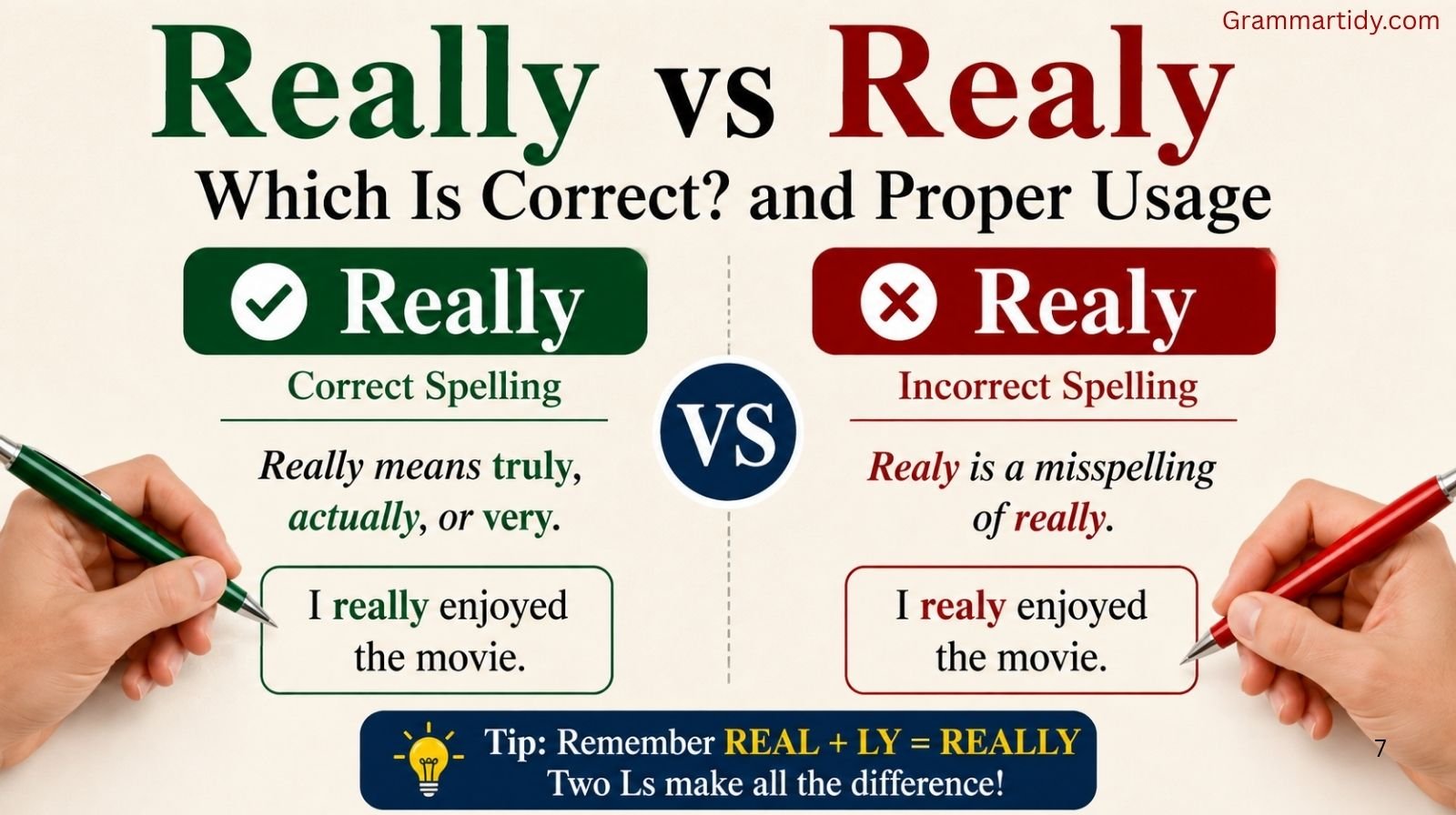
Also Read: Really vs Realy
Mistake 3: Confusing a Capital City With a Capitol Building
Incorrect: Washington, D.C., is the capitol of the United States.
Correct: Washington, D.C., is the capital of the United States.
Explanation: Washington, D.C., is the country’s capital city. The United States Capitol is a building located within that city.
Mistake 4: Writing Capitol Investment
Incorrect: The entrepreneur made a large capitol investment in the startup.
Correct: The entrepreneur made a large capital investment in the startup.
Explanation: Capital investment refers to money invested in a business, project, or asset.
Mistake 5: Using Capitol in Financial Reports
Incorrect: The company’s available capitol increased during the financial year.
Correct: The company’s available capital increased during the financial year.
Explanation: Financial reports use capital to describe financial resources.
Mistake 6: Writing State Capital When Referring to the Building
Incorrect: The governor delivered a speech inside the state capital.
Correct: The governor delivered a speech inside the state capitol.
Explanation: If the sentence refers to the legislative building itself, capitol is correct.
However, if you are discussing the city where the state government is located, capital is correct.
Mistake 7: Using Capitol in a Loan Application
Incorrect: We are requesting a business loan to increase our capitol.
Correct: We are requesting a business loan to increase our capital.
Explanation: A loan provides financial resources, not a government building.
Mistake 8: Writing Capitol Funds
Incorrect: The organization needs additional capitol funds for its operations.
Correct: The organization needs additional capital funds for its operations.
Explanation: Capital funds are financial resources allocated for specific purposes.
How to Remember the Difference Between Capital and Capitol
Remembering the difference between these two words does not require complicated grammar rules.
A few simple memory techniques can help you choose the correct spelling every time.
1. Remember A for Assets
The word capital contains the letter A.
Think of A as standing for Assets.
Assets are valuable resources owned or controlled by an individual or organization. Capital is also associated with money, investments, and financial resources.
For example:
- Capital investment.
- Capital assets.
- Capital funding.
- Capital resources.
Whenever you are discussing money or financial assets, remember the A in capital.
2. Remember O for Official Building
The word capitol contains the letter O.
You can associate O with the word Office, because a capitol is an official government building where legislators meet.
For example:
- United States Capitol.
- State Capitol.
- Capitol building.
- Capitol tour.
This is a simple reminder that capitol refers to a building rather than money.
3. Associate Capital With Cash
Another easy technique is to remember the phrase:
Capital = Cash and Commerce.
If you are writing about business funding, investments, savings, or financial resources, capital is the appropriate choice.
For example:
The company raised additional capital to support its growth.
4. Associate Capitol With Congress
You can also remember:
Capitol = Congress and Construction.
Congress meets in the United States Capitol, which is a physical structure.
For example:
The lawmakers entered the Capitol before the legislative session began.
5. Ask Yourself What You Are Describing
Before choosing a word, ask yourself one simple question:
Am I talking about money, a city, or a building?
- Money or financial resources? Use capital.
- A country’s or state’s administrative city? Use capital.
- A legislative government building? Use capitol.
This small habit can prevent most capital-versus-capitol spelling mistakes.
Capital vs Capitol in Different Industries

The word capital appears in many professional fields, while capitol is mainly associated with government and legislative buildings.
Understanding how these words appear in different industries can improve your vocabulary and writing accuracy.
Capital vs Capitol in Banking
Banking professionals regularly use capital when discussing loans, deposits, investments, and financial strength.
For example:
The bank requires additional capital to support its lending activities.
Another example:
The financial institution increased its capital reserves to strengthen its financial position.
In banking, capital refers to financial resources rather than a physical building.
Capital vs Capitol in Accounting
Accountants use capital to describe the financial resources invested in a business or contributed by its owners.
For example:
The accountant recorded the owner’s capital contribution in the company’s financial statements.
Another example:
The business increased its capital after receiving an additional investment.
Using capitol in these sentences would be incorrect.
Capital vs Capitol in Economics
Economists use capital as one of the important factors of production.
In economic discussions, capital can include machinery, tools, buildings, equipment, and other resources used to produce goods and services.
For example:
Investment in physical capital can improve a country’s productive capacity.
Another example:
The government introduced policies designed to encourage private capital investment.
Here, capital has an economic meaning.
Capital vs Capitol in Real Estate
Real estate professionals use capital when discussing property investment, development, and financing.
For example:
The developer raised additional capital to construct a residential apartment complex.
Another example:
Investors allocated their capital to commercial properties with long-term growth potential.
The word capitol has no place in these financial sentences.
Capital vs Capitol in Politics
Politics is one area where both words may appear, but their meanings remain different.
For example:
The country’s capital hosts several important government institutions.
This sentence refers to a city.
However:
The legislators met inside the Capitol to discuss the proposed bill.
This sentence refers to a legislative building.
Political writers should pay particular attention to the distinction because both terms can appear in the same article.
Capital vs Capitol in Education
Students may encounter both words in history, economics, geography, and English classes.
For example:
Economics students learned how capital investment influences business growth.
Here, capital is used in its financial sense.
Another example:
The history students visited the state capitol during their educational trip.
Here, capitol refers to the legislative building.
Capital vs Capitol in Journalism
Journalists use both words depending on the subject of their reports.
A business journalist might write:
The company secured additional capital to expand its operations.
A political journalist might write:
Protesters gathered outside the Capitol during the legislative session.
Correct word choice helps readers understand the subject without confusion.
Is Capital or Capitol Correct in Financial Writing?
Capital is always the correct choice when you mean money, financial resources, or investment funds.
This rule applies to almost every financial writing situation, including:
- Business proposals.
- Investment reports.
- Banking documents.
- Financial statements.
- Loan applications.
- Startup presentations.
- Accounting records.
- Economic research.
- Business emails.
- Company budgets.
For example:
Correct: The organization plans to raise additional capital next year.
Incorrect: The organization plans to raise additional capitol next year.
Similarly:
Correct: The investor contributed $100,000 in capital.
Incorrect: The investor contributed $100,000 in capitol.
If you are writing a financial document and are unsure which spelling to use, choose capital whenever the intended meaning involves money or resources.
Is Capitol Ever Correct When Talking About Money?
No. In standard modern English, capitol does not mean money or financial resources.
However, a sentence can contain both words when it discusses money connected to a government building or legislative institution.
For example:
The state allocated additional capital for renovations to the historic Capitol.
This sentence uses both words correctly:
- Capital refers to the money allocated.
- Capitol refers to the government building being renovated.
Another example:
The government approved funding to improve security at the Capitol.
Although this sentence does not use the word capital, it refers to money being allocated to a government building.
The distinction is important: the building itself is a capitol, while the money used to maintain it is funding or capital, depending on the financial context.
Can Capital Mean a Building?
Capital can refer to a city, but it does not specifically mean a legislative building.
For example:
Washington, D.C., is the capital of the United States.
This sentence refers to a city.
The United States Capitol, however, is the building where Congress meets.
Similarly, Sacramento is the capital of California, while the California State Capitol is the legislative building in Sacramento.
This distinction is one of the most useful ways to understand the difference between the two words.
Capital vs Capitol vs Other Similar Words
English contains several words that look or sound similar to capital and capitol.
Understanding these related terms can help prevent additional vocabulary mistakes.
Capital vs Capitol vs Capita
Capita is the plural form of the Latin word caput, meaning head. It commonly appears in the expression per capita, which means per person.
For example:
The country’s income per capita increased during the year.
Capital and capita are not interchangeable.
- Capital: Money, resources, or an administrative city.
- Capitol: Legislative building.
- Capita: Used in expressions referring to individuals or per-person measurements.
Capital vs Capitol vs Capitalism
Capitalism is an economic system in which private individuals and businesses own and control productive resources, generally operating within markets.
For example:
Capitalism encourages private investment and business competition.
Capitalism is related to the economic concept of capital, but it is not another spelling of capitol.
Capital vs Capitol vs Capitalize
Capitalize has several meanings.
It can mean to write a letter in uppercase, take advantage of an opportunity, or provide a business with capital.
Examples:
- Please capitalize the first letter of your name.
- The company wants to capitalize on growing customer demand.
- Investors helped capitalize the new business.
Although capitalize shares its root with capital, it should not be confused with capitol.
Capital vs Capitol vs Capitol Hill
Capitol Hill is a well-known area in Washington, D.C., associated with the United States Congress and its legislative buildings.
For example:
The journalist interviewed several lawmakers on Capitol Hill.
The expression contains Capitol because it is connected with the legislative complex and surrounding area.
Capital vs Capitol vs Capital Letter
A capital letter is an uppercase letter, such as A, B, C, or D.
For example:
Begin every sentence with a capital letter.
This is another meaning of capital that has nothing to do with financial resources or government buildings.
30 Example Sentences Using Capital and Capitol
Sentence examples are an effective way to understand how capital and capitol work in everyday English.
The following examples cover business, finance, government, education, and general communication.
15 Sentences Using Capital
- The company needs additional capital to expand its operations.
- Sarah invested her personal capital in a new clothing business.
- The entrepreneur raised enough capital to launch his startup.
- Our organization is looking for new sources of capital.
- The bank approved a loan to help increase the company’s working capital.
- The investor contributed $50,000 in capital to the project.
- Islamabad is the capital of Pakistan.
- Tokyo is the capital of Japan.
- The business used its available capital to purchase new equipment.
- The company plans to increase its capital investment next year.
- Human capital plays an important role in economic development.
- The accountant reviewed the owner’s capital contribution.
- The startup received venture capital from private investors.
- Please write your full name using capital letters.
- The organization needs more capital to support its long-term goals.
15 Sentences Using Capitol
- The senator entered the Capitol before the meeting began.
- Tourists visited the United States Capitol during their trip.
- The governor delivered a speech inside the state Capitol.
- Several lawmakers gathered at the Capitol to discuss the proposed legislation.
- The historic Capitol building attracts thousands of visitors.
- The students learned about the history of the Capitol.
- The journalist interviewed lawmakers outside the Capitol.
- The legislative session took place inside the state Capitol.
- Security officers monitored the entrance to the Capitol.
- The senator attended an important meeting at the Capitol.
- The visitors admired the architecture of the state Capitol.
- The protest took place near the Capitol building.
- The legislature approved the proposal during a session at the Capitol.
- The guide explained the historical importance of the Capitol.
- The new exhibition highlights the architectural features of the Capitol.
These examples demonstrate that capital is appropriate for money, cities, and uppercase letters, whereas capitol refers to legislative buildings.
Capital vs Capitol: Common Expressions and Phrases
Both words appear in commonly used English expressions. Learning these phrases can help you recognize the correct spelling more quickly.
Common Expressions With Capital
| Expression | Meaning |
|---|---|
| Working capital | Funds available for daily business operations |
| Capital investment | Money invested in a project or business |
| Capital expenditure | Spending on long-term assets |
| Capital gains | Profit from selling an asset |
| Capital loss | Loss resulting from selling an asset |
| Human capital | People’s skills, knowledge, and experience |
| Financial capital | Money and financial resources |
| Venture capital | Investment in businesses with growth potential |
| Capital markets | Markets for long-term financial securities |
| Capital assets | Valuable resources owned by a person or organization |
| Capital contribution | Money or assets contributed to a business |
| Capital formation | Creation or accumulation of productive assets |
| Capital structure | The combination of debt and equity financing |
| Capital reserve | Funds or resources retained for specific purposes |
| Capital allocation | Distribution of financial resources among investments |
Common Expressions With Capitol
| Expression | Meaning |
|---|---|
| United States Capitol | Legislative building in Washington, D.C. |
| State Capitol | Building where a state legislature meets |
| Capitol building | A legislative government building |
| Capitol grounds | Land surrounding a capitol building |
| Capitol tour | A guided visit to a capitol building |
| Capitol Hill | Area in Washington, D.C., associated with Congress |
| Capitol visitor center | Visitor facility associated with a capitol |
| Capitol dome | The dome of a legislative building |
| Capitol complex | A group of buildings associated with a legislature |
| Capitol security | Security arrangements for a capitol building |
Notice that capital appears in many financial expressions, while capitol is associated with legislative architecture and government activities.
How to Use Capital Correctly in Business Writing
Business writing requires clarity and precision. Using the correct financial vocabulary makes reports, proposals, emails, and presentations easier to understand.
Here are some practical guidelines for using capital correctly.
Use Capital When Discussing Business Funding
When explaining how much money a company needs, use capital.
Example:
Our business requires additional capital to increase production and meet customer demand.
Avoid using capitol because it does not describe business funding.
Use Capital When Discussing Investments
When referring to money invested in a company, project, or financial asset, use capital.
Example:
The investors provided additional capital to support the company’s expansion strategy.
Use Capital When Discussing Financial Growth
Capital is appropriate when describing how an organization increases its financial resources.
Example:
The company plans to raise more capital before entering international markets.
Use Capital When Discussing Business Ownership
Capital can also refer to money or assets contributed by business owners.
Example:
The partners agreed to increase their capital contributions to support the new venture.
Use Capital in Financial Planning
Financial planning often involves determining how much capital an individual or organization needs.
Example:
The financial advisor recommended maintaining sufficient capital to cover future business expenses.
These guidelines will help you use capital accurately in professional communication.
How to Use Capitol Correctly in Political and Historical Writing
Capitol is mainly used when writing about legislative buildings and government activities.
Here are some practical guidelines.
Use Capitol When Referring to a Legislative Building
Example:
The governor attended a meeting at the state Capitol.
Use Capitol When Describing Legislative Sessions
Example:
Lawmakers gathered inside the Capitol to debate the proposed legislation.
Use Capitol When Writing About Tours
Example:
Visitors can explore the historic Capitol through guided educational tours.
Use Capitol When Discussing Building Architecture
Example:
The Capitol features an impressive dome and historic architectural details.
Use Capitol When Describing Government Events
Example:
The annual ceremony took place on the Capitol grounds.
Remember that Capitol identifies a physical legislative building, not the money used to operate it.
Does Capital Have Other Meanings in English?
Yes. Capital has several meanings beyond business and finance.
Understanding these meanings is useful because the word appears in many different types of writing.
Capital as a Major or Important Matter
In some contexts, capital can describe something of major importance.
For example:
The company made a capital decision that changed its future direction.
This usage is less common in everyday conversation but may appear in formal or literary English.
Capital as an Uppercase Letter
In grammar and writing, a capital letter is an uppercase letter.
Examples include:
- A
- B
- C
- D
- E
For example:
The name Emily begins with a capital letter.
Another example:
Always use capital letters for the names of specific countries and cities.
Capital as a Financial Asset
In economics, capital can refer to resources used to produce goods and services.
For example:
Factories, machinery, and equipment are important forms of physical capital.
This meaning extends beyond money alone.
Capital in the Phrase Capital Punishment
Capital punishment refers to the legally authorized execution of a person as a punishment for certain crimes.
For example:
The debate over capital punishment continues in many countries.
Here, capital is part of an established legal expression and does not refer to money or a government building.
Why Correct Spelling Matters in Professional and Academic Writing
Using capital and capitol correctly may seem like a small detail, but spelling accuracy contributes to clear communication.
A single incorrect letter can change the meaning of a sentence.
Consider a financial report containing the following sentence:
The company needs additional capitol to finance its expansion.
A reader familiar with financial terminology may immediately notice the mistake.
The correct version is:
The company needs additional capital to finance its expansion.
Similarly, consider a history assignment:
The students visited the United States capital building.
If the students are referring to the legislative building, the correct sentence is:
The students visited the United States Capitol building.
Correct spelling is important for several reasons.
1. It Improves Clarity
Readers should not have to guess what a writer means.
Using capital for financial resources and capitol for legislative buildings makes sentences easier to understand.
2. It Creates a Professional Impression
Correct spelling demonstrates attention to detail.
This is especially important in:
- Business emails.
- Financial reports.
- Academic assignments.
- Government documents.
- Professional presentations.
- Newspaper articles.
3. It Strengthens Vocabulary
Understanding the difference between similar words improves overall English vocabulary.
It also helps writers recognize how context affects word choice.
4. It Prevents Miscommunication
Although readers can often understand a spelling mistake from context, using the correct word avoids unnecessary confusion.
For example, a business proposal should clearly describe financial capital rather than accidentally referring to a legislative building.
5. It Supports Better Writing Habits
Learning to distinguish commonly confused words encourages writers to check spelling, understand definitions, and proofread their work.
These habits can improve writing quality over time.
Mini Quiz: Capital vs Capitol
Choose the correct word in each sentence and test your knowledge.
Question 1: Business Funding
The company needs additional ______ to purchase new equipment.
A) Capitol
B) Capital
Correct Answer: B) Capital
Explanation: Capital refers to money or financial resources used for business activities.
Question 2: Government Building
The senator visited the United States ______ yesterday.
A) Capital
B) Capitol
Correct Answer: B) Capitol
Explanation: Capitol refers to the legislative building where Congress meets.
Question 3: National City
Islamabad is the ______ of Pakistan.
A) Capital
B) Capitol
Correct Answer: A) Capital
Explanation: Capital refers to a country’s official administrative city.
Question 4: Investment
Sarah invested her personal ______ in a new business.
A) Capitol
B) Capital
Correct Answer: B) Capital
Explanation: Capital is the correct word because the sentence discusses investment money.
Question 5: Legislative Meeting
Lawmakers gathered inside the state ______ to discuss a new proposal.
A) Capitol
B) Capital
Correct Answer: A) Capitol
Explanation: The sentence refers to a legislative building.
Quick Tips to Avoid Capital vs Capitol Mistakes
Before writing either word, consider these simple tips:
- Think about money: If your sentence discusses savings, investments, business funding, or financial resources, write capital.
- Think about a building: If your sentence describes a place where legislators meet, write capitol.
- Remember the A: Capital has an A, which you can associate with assets.
- Remember the O: Capitol has an O, which you can associate with an official government building.
- Check the context: A sentence about government does not automatically require capitol. A country’s administrative city is still its capital.
- Proofread financial documents: Pay special attention to terms such as working capital, capital investment, and capital expenditure.
- Use examples: Reading sentences containing both words can help you recognize the correct spelling naturally.
These simple habits can help you avoid confusing the two words in everyday and professional writing.
Frequently Asked Questions
1. Is It Capital or Capitol When Talking About Money?
Capital is correct when discussing money, investments, business funding, or financial resources. For example, “The company needs additional capital to expand its operations.” Capitol refers to a legislative building and should not be used to describe money.
2. What Is the Difference Between Capital and Capitol?
Capital refers to money, financial resources, investments, or a country’s administrative city. Capitol refers to a building where lawmakers meet to create and discuss laws. For example, Islamabad is the capital of Pakistan, while the United States Capitol is the building where Congress meets.
3. Is Capitol Ever Used to Mean Money?
No. In standard modern English, capitol does not mean money or financial resources. If you are discussing business funding, investments, savings, or financial assets, use capital.
4. Is Washington, D.C., a Capital or a Capitol?
Washington, D.C., is the capital of the United States. The United States Capitol is a legislative building located in Washington, D.C. Therefore, both words are correct when used in their appropriate contexts.
5. Is It Capital Investment or Capitol Investment?
Capital investment is correct. It refers to money invested in a business, project, equipment, or other assets. For example, “The company increased its capital investment to improve production.” Capitol investment is incorrect.
6. Is It State Capital or State Capitol?
Both expressions are correct, but they have different meanings. State capital means the city serving as a state’s administrative center, while state capitol means the legislative building where the state legislature meets. For example, Sacramento is California’s state capital, while the California State Capitol is its legislative building.
7. Are Capital and Capitol Pronounced the Same?
Yes. In standard American English, capital and capitol are homophones. They are generally pronounced /ˈkæpɪtəl/. Although their pronunciation is similar, their meanings and spellings are different.
8. What Is Working Capital?
Working capital is the difference between a company’s current assets and current liabilities. It helps determine whether a business has enough short-term financial resources to meet its immediate obligations. For example, “The company improved its working capital by reducing unnecessary expenses.”
9. Should Capitol Always Be Capitalized?
Not necessarily. When referring to a specific legislative building, such as the United States Capitol, Capitol is capitalized. When using the word generically, such as in the phrase “a state capitol building,” it can be lowercase.
10. Can Capital Refer to Both Money and a City?
Yes. Capital has several meanings. It can refer to financial resources, investments, or a country’s administrative city. For example, “The business needs more capital” and “Islamabad is the capital of Pakistan.” The meaning depends on the context.
11. What Is the Plural of Capitol?
The plural of capitol is capitols. For example, “Several state capitols have impressive historical architecture.” The plural of capital is also capitals, as in “The country has several major financial capitals.”
12. What Is the Correct Phrase: Capital Money or Capitol Money?
Capital money is the correct expression when referring to money available for investment or business activities. However, in many professional contexts, simply writing capital or business capital sounds more natural. For example, “The entrepreneur used his capital to establish a new business.”
Final Verdict:
The difference between capital and capitol becomes easy to understand when you focus on their meanings.
Capital is the correct word when discussing money, investments, financial resources, business funding, or a country’s administrative city. It is widely used in banking, economics, accounting, business communication, and everyday English.
Capitol, on the other hand, refers to a legislative government building where lawmakers meet. It is particularly common in American political and historical writing.
Remember this simple rule:
- Capital = Money, assets, investments, and administrative cities.
- Capitol = Legislative government buildings.
For example:
Correct: The company needs additional capital to expand its business.
Correct: The senator attended a meeting at the Capitol.
Incorrect: The company needs additional capitol to expand its business.
Once you understand this distinction, you can confidently use both words in emails, financial reports, academic assignments, business proposals, and everyday conversations.
The most important thing to remember is that when you are talking about money, capital is always the correct spelling.
Keep learning with more easy grammar lessons on GrammarTidy.com

Hi, I’m Noor Fatima, the author and creator of Grammar Tidy. I’m passionate about grammar, writing, and making language learning simple and enjoyable. Through Grammar Tidy, I share helpful tips, clear explanations, and practical guidance to help readers improve their writing, avoid common mistakes, and communicate with confidence. My goal is to make better grammar easy, useful, and accessible for everyone.