Have you ever wondered whether to write modelling or modeling? You may have seen both spellings in fashion articles, school assignments, business reports, and computer science documents. The extra letter can make it difficult to know which version is correct.
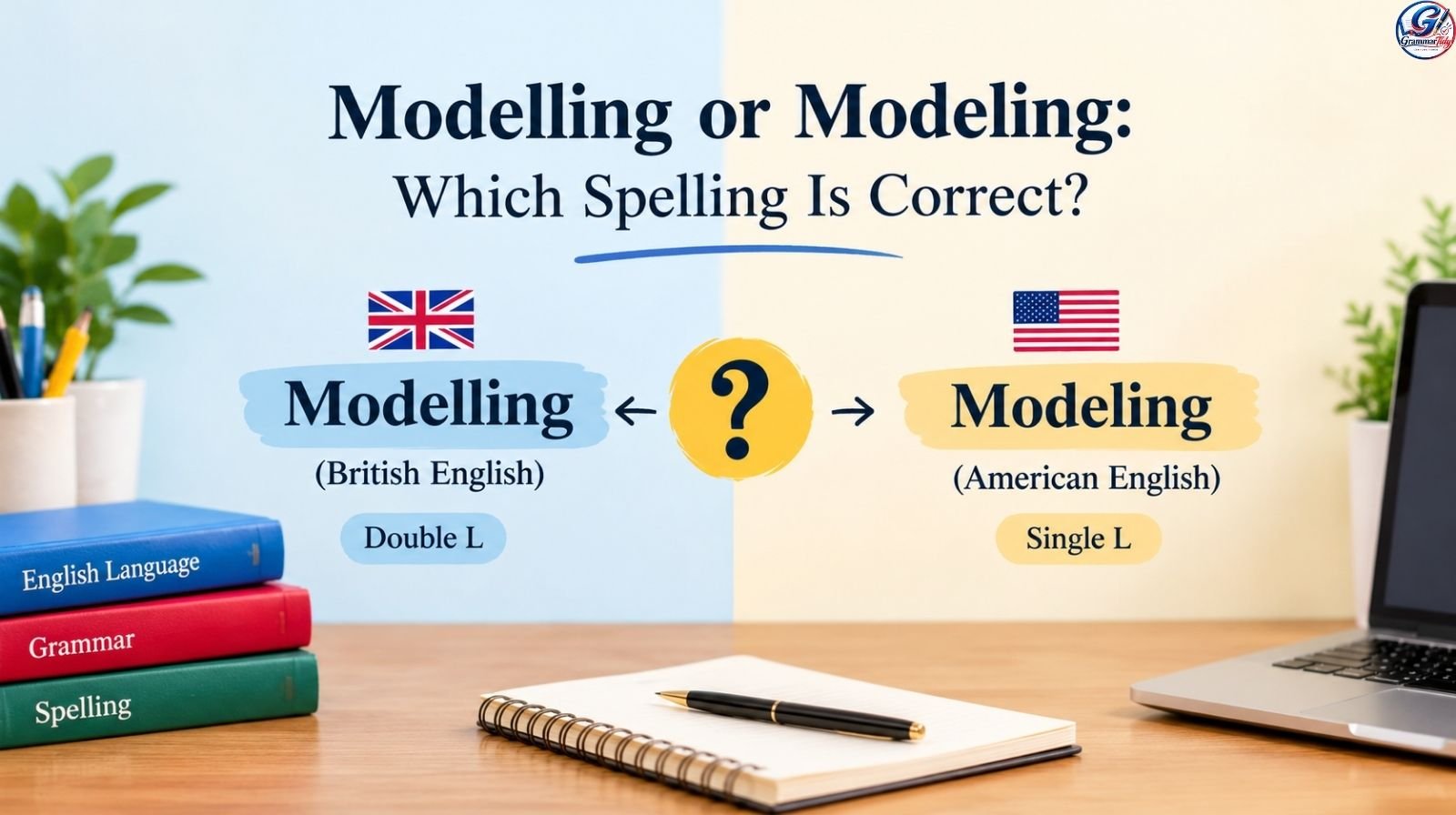
The good news is that both modelling and modeling are correct spellings. The main difference is regional: modelling is the standard spelling in British English, while modeling is the standard spelling in American English. Both words have the same meaning.
In this guide, you will learn what each spelling means, why the difference exists, how to use both forms correctly, and which spelling to choose for your writing in 2026.
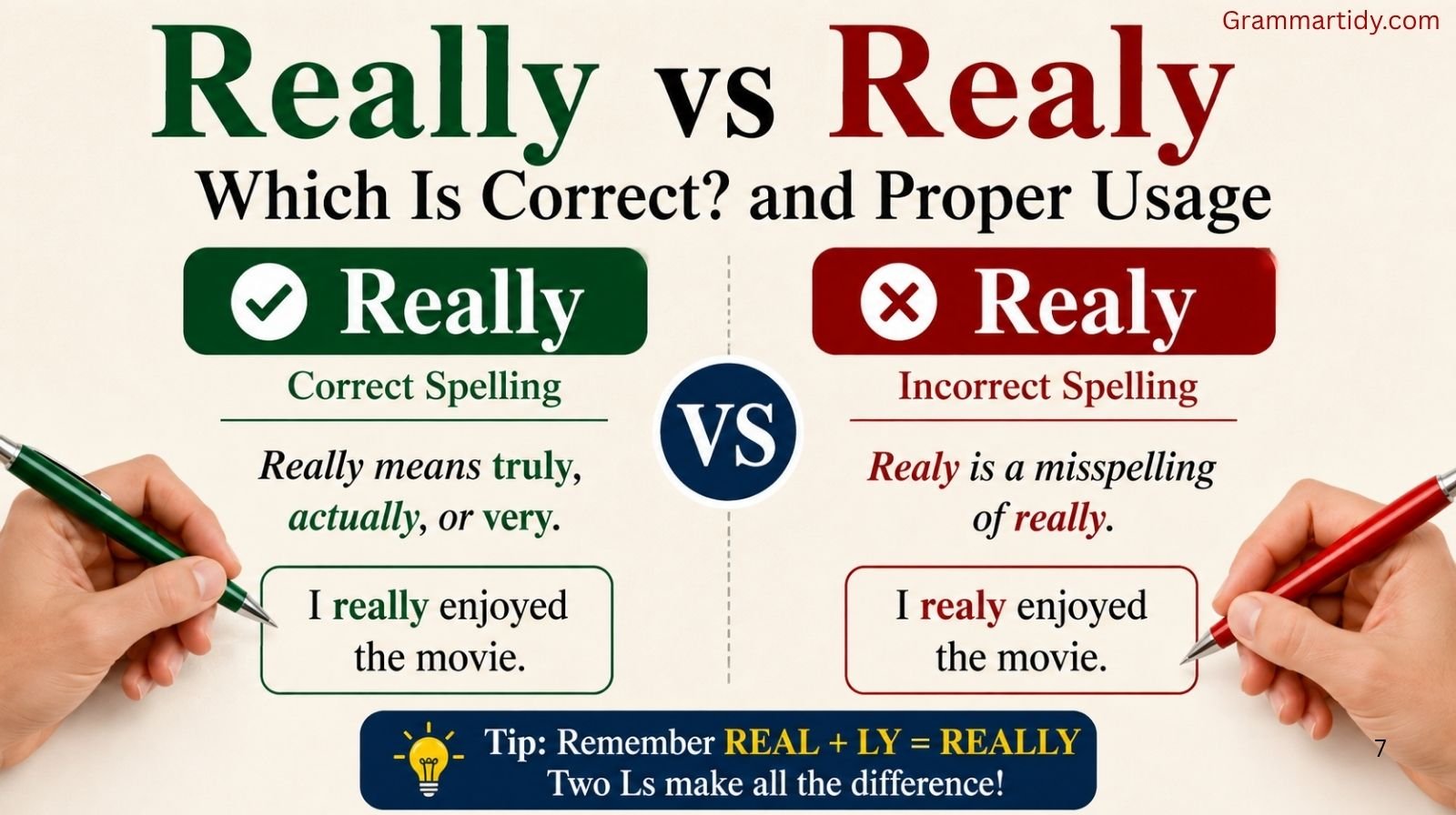
Also Read: Really vs Realy: Which Is Correct? And Proper Usage
Modelling or Modeling: What’s the Difference?

The difference between modelling and modeling is spelling, not meaning. Both words refer to the process of acting as a model, demonstrating a particular behavior, or creating a representation of something.
Use modelling when following British English conventions. Choose modeling when following American English conventions.
| British English | American English |
|---|---|
| Modelling | Modeling |
| Double L | Single L |
| Modelled | Modeled |
| Modeller | Modeler |
For example:
- British English: She is modelling a new collection of dresses.
- American English: She is modeling a new collection of dresses.
Both sentences are correct. The only difference is the spelling convention.
What Does Modelling or Modeling Mean?
Modelling or modeling means representing, demonstrating, or creating a model of something. Its precise meaning depends on the context.
For example:
- Fashion: She enjoys modelling for clothing brands.
- Education: The teacher is modelling how to solve a problem.
- Science: Researchers use computer modelling to predict weather patterns.
- Business: The company is modelling its future revenue.
- Design: The architect is modelling a new building using 3D software.
In each example, the spelling can change according to the variety of English being used, but the meaning remains the same.
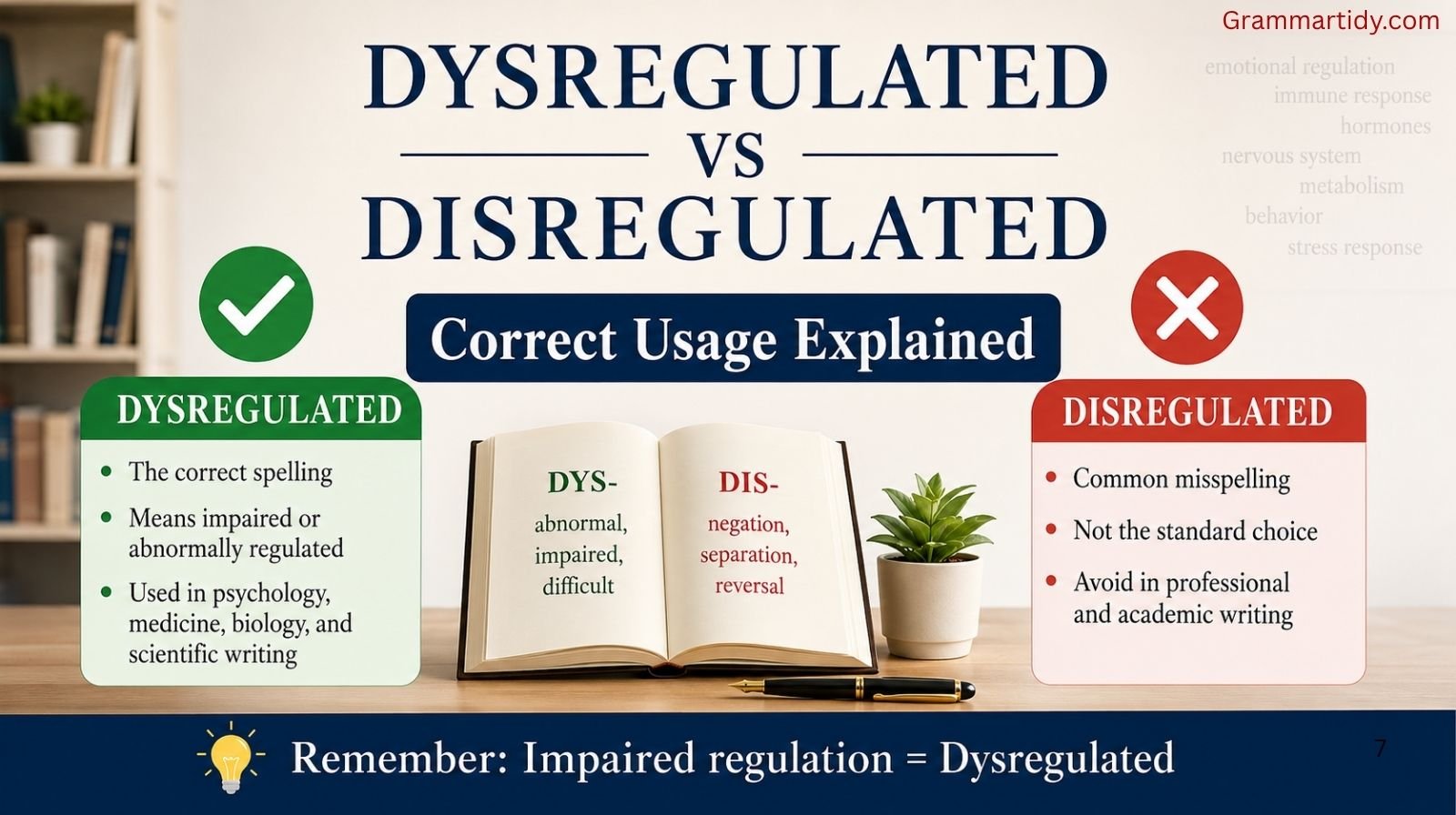
Also Read: Dysregulated vs Disregulated: Correct Usage Explained
Is Modelling or Modeling the Correct Spelling?
Both are correct. Neither spelling is universally better than the other.
If you are writing for readers in the United Kingdom or following British English, use modelling. If your audience is in the United States or your organization follows American English, use modeling.
For example:
- British English: The student is modelling a clay sculpture.
- American English: The student is modeling a clay sculpture.
The important rule is to follow one spelling convention consistently throughout your document.
Modelling or Modeling: British vs. American English

British and American English have several spelling differences, and modelling versus modeling is one of them. Understanding these regional conventions can help you write more confidently for different audiences.
When to Use Modelling
Use modelling in British English and in publications that follow British spelling conventions.
You will commonly see this form in British educational materials, professional writing, fashion publications, and technical documents.
Examples:
- The company is modelling its financial performance for next year.
- She began modelling when she was seventeen.
- The students are modelling the structure of a human cell.
- Engineers are modelling the new bridge before construction begins.
- Good teachers are modelling positive behavior in the classroom.
British English also commonly uses the related forms modelled and modeller.
Also Read: Excited vs Exited: Learn The Difference And Usage
When to Use Modeling
Use modeling when writing in American English. It is the usual spelling in American books, business documents, educational resources, and technical publications.
Examples:
- She is modeling a designer’s latest collection.
- The scientist is modeling climate conditions.
- The team is modeling customer behavior.
- He enjoys modeling miniature aircraft.
- The engineer is modeling the building with specialized software.
American English commonly uses modeled and modeler as related forms.
Quick Comparison Table
| Feature | British English | American English |
|---|---|---|
| Main spelling | Modelling | Modeling |
| Past tense | Modelled | Modeled |
| Person who models | Modeller | Modeler |
| Common usage | UK publications | US publications |
| Meaning | Same | Same |
The table shows the main spelling differences. If you are writing an academic paper, business report, or website article, follow the style guide required by your institution or publisher.
Why Are Modelling and Modeling Spelled Differently?
The difference comes from regional spelling conventions. British English often doubles a final consonant before certain suffixes, while American English frequently keeps a single consonant in comparable words.
The base word is model. When adding -ing, British English generally doubles the final l in this word, producing modelling. American English normally keeps one l, producing modeling.
The Rule Behind the Extra L
Compare these examples:
| British English | American English |
|---|---|
| Modelling | Modeling |
| Modelled | Modeled |
| Travelling | Traveling |
| Cancelled | Canceled |
| Labelled | Labeled |
These examples illustrate a broader spelling pattern, although English spelling rules have exceptions. Not every word ending in l follows exactly the same pattern in every variety.
How to Remember the Correct Spelling
A simple memory trick is to associate the number of Ls with the spelling convention:
- British English: Use the double L in modelling and modelled.
- American English: Use the single L in modeling and modeled.
For instance, if you write travelling and cancelled in a British English article, modelling will generally fit that style. If you write traveling and canceled for an American audience, modeling will generally fit better.
The goal is not to memorize every word separately. Instead, learn the regional pattern and check a reliable dictionary whenever a spelling is uncertain.
A Real-Life Example: Choosing the Right Spelling for a Website
Imagine a content writer who manages two websites. One website publishes articles for readers in the United Kingdom, while the other targets readers in the United States. Both websites cover fashion, education, and technology.
The writer prepares an article about a young woman who has started working with fashion brands. For the British website, the writer uses the sentence, “She began modelling for local designers after completing her studies.”
For the American website, the same sentence becomes, “She began modeling for local designers after completing her studies.”
Also Read: Naive vs Nieve: Which Spelling Is Correct And How To Use It?
The meaning does not change. Only the spelling changes to match the intended audience.
The same principle applies to technical content. Suppose the writer creates an article about computer simulations.
The British version might discuss climate modelling, while the American version would use climate modeling. If the writer also discusses the past tense, the British article would use modelled, whereas the American article would use modeled.
A common mistake is to use British spelling in one sentence and American spelling in another without a reason. For example, writing “The team is modelling the results and modeled the previous experiment” creates an inconsistent style in a document intended for either audience.
The best solution is to establish a style guide before writing. A British publication should generally use modelling and modelled, while an American publication should generally use modeling and modeled. This simple practice improves consistency and makes professional writing easier to read.
Modelling or Modeling: What Do the 2025–2026 Facts Tell Us?
Reliable dictionaries confirm that modelling is the standard British English form and modeling is the standard American English form. Both are accepted spellings, and the difference is primarily regional.
Key Spelling Facts for 2026
Here are the main facts writers should understand:
- Both spellings are correct: Neither form is universally incorrect.
- Regional preference determines usage: American English generally uses modeling, while British English generally uses modelling.
- Related words follow similar patterns: The corresponding forms are modeled/modelled and modeler/modeller.
- Consistency matters: The appropriate spelling depends on the intended audience and the publication’s style guide.
There is no verified, authoritative 2025–2026 statistic available here establishing the exact percentage of writers who use each spelling. Therefore, it would be misleading to invent search volumes, usage percentages, or claims that one form is becoming more popular.
How to Choose the Correct Form in 2026
Use this quick checklist before publishing an article, report, or assignment.
- For British readers: Choose modelling.
- For American readers: Choose modeling.
- For academic writing: Follow your institution’s spelling requirements.
- For professional documents: Follow your organization’s style guide.
- For international readers: Choose one English variety and use it consistently.
This approach helps maintain a clear and professional writing style without mixing regional spelling conventions unnecessarily.
Also Read: Transferred vs Transfered: Which Is Correct?
Frequently Asked Questions
1. Is modelling or modeling correct?
Both spellings are correct. Modelling is the standard British English form, while modeling is the standard American English form.
2. Is modelling spelled with one L or two?
In British English, it is spelled modelling, with two Ls. In American English, it is spelled modeling, with one L.
3. Is modeling American or British English?
Modeling is the standard American English spelling. British English generally uses modelling.
4. Should I write modelling or modeling in an academic paper?
Follow the spelling convention required by your institution, publisher, or academic style guide. If there is no specific requirement, select British or American English and use it consistently.
5. Are modelling and modeling pronounced differently?
Both spellings are generally pronounced the same way within the same English accent. The difference is in writing rather than meaning.
6. Is it modelled or modeled?
Both forms are correct. Use modelled in British English and modeled in American English.
7. Does Google prefer modelling or modeling for SEO?
Neither spelling is universally preferred for every audience. Choose the version that matches your readers and the language used on your website. Clear, helpful, consistent content is more important than choosing one regional spelling over the other.
Conclusion:
The answer to modelling or modeling is simple: both spellings are correct, but each belongs to a different regional spelling convention.
Remember these two rules:
- Use modelling for British English.
- Use modeling for American English.
The same distinction applies to modelled and modeled. When writing for an international audience, choose the spelling system that best suits your readers or follows your publication’s style guide.
Before publishing your next article, check your spelling, review your related word forms, and keep your English variety consistent from beginning to end.
Found this guide helpful? Explore more spelling and grammar guides to build your confidence and make your writing clearer, more accurate, and easier to understand. dictionary.
Discover More Article
- Began vs Begun: Which Form Goes Where?
- Orientated vs Oriented: Which Word Is Correct?
- Layed or Laid (2026): Easy Guide To Understand The Difference
- Messege or Message: Which Spelling Is Correct?
Keep learning with more easy grammar lessons on GrammarTidy.com

Hi, I’m Noor Fatima, the author and creator of Grammar Tidy. I’m passionate about grammar, writing, and making language learning simple and enjoyable. Through Grammar Tidy, I share helpful tips, clear explanations, and practical guidance to help readers improve their writing, avoid common mistakes, and communicate with confidence. My goal is to make better grammar easy, useful, and accessible for everyone.